
Crypto Narratives Shattered : 3 Reasons Why Bitcoin Holders Aren’t Really Selling!

Bitcoin’s Big Fat Lie? Crypto Exposed?

Yo, the crypto streets are buzzing with wild claims that Bitcoin long-term holders (LTHs) are panic selling and dumping their bags. But let’s keep it —that’s cap. Onchain data shows OG Bitcoin holders ain’t flinching. They’re sitting tight, not selling—so where’s the panic coming from? 🤨

This is where misinformation meets reality, and according to CryptoQuant analyst “Onchained”, the streets need to trust data, not drama. He just called out the FUD machine, warning that a lot of these claims about Bitcoin holders capitulating lack real onchain validation. Instead, they’re driven by sensationalist market sentiment.

The Data Doesn’t Lie—LTHs Are HODLing Strong

The Inactive Supply Shift Index (ISSI)—a key metric that tracks how much of Bitcoin’s long-dormant supply is moving—shows NO major sell-off. That’s a fact, not speculation. In plain terms, this means that structural demand is outpacing supply, reinforcing the idea that long-term Bitcoin holders are NOT dumping their bags.

And guess what? Glassnode confirms this too. They reported that LTH activity remains subdued and there’s been a notable decline in sell-side pressure from these holders. So, if they’re not selling, why are these fake narratives spreading?

Bitcoin’s 4-Year Cycle Theory—Still Relevant or Nah?

One of the biggest crypto debates right now is whether Bitcoin still follows the classic 4-year halving cycle or if we’ve entered a longer, more unpredictable market phase.

Michael van de Poppe, the founder of MN Trading Capital, dropped a take, saying:

“I assume that we can erase the entire 4-year cycle theory and that we’re in a longer cycle for Altcoins.”

Even Bitwise CIO Matt Hougan backed this up, saying that the traditional four-year cycle is over due to major shifts in the U.S. government’s stance on crypto. He believes crypto markets are now influenced by a new wave of policies and regulations that will play out over a decade.

If that’s true, it could mean that Bitcoin’s price movements won’t be as predictable as before—which explains why some people are confused about where the market is heading.

Bear Market Incoming? Some Analysts Say the Bitcoin Bull Run Is Over

While some analysts are debunking the LTH selling narrative, others are making even bolder claims—that the Bitcoin bull cycle is already done.

CryptoQuant CEO Ki Young Ju dropped a bombshell on March 17, saying:

“Bitcoin bull cycle is over, expecting 6-12 months of bearish or sideways price action.”

He pointed out that all Bitcoin onchain metrics signal a bear market. One of the biggest factors? Fresh liquidity is drying up, and new whales are selling Bitcoin at lower prices. If that’s the case, we could see a consolidation phase for the next 6-12 months before Bitcoin makes its next move.
Crypto
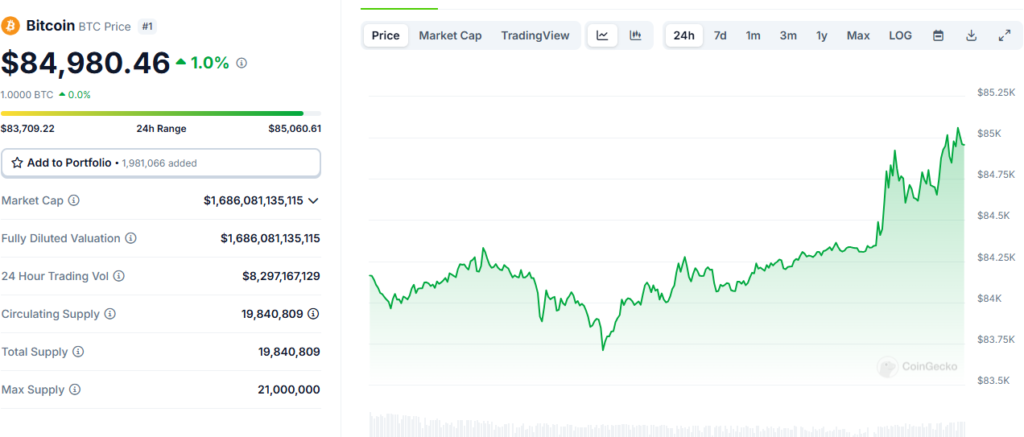
Live graph from Coingecko

You might also like: Ether’s Supply Dips to 10-Year Low—Will This Spark a Massive Price Surge?

So, Who’s Right? The Data or the Doomers?

At the end of the day, the crypto market is full of conflicting narratives. Some claim long-term holders are selling, but onchain data proves otherwise. Others say the bull cycle is dead, while some believe we’re just entering a different phase of the market.

One thing’s for sure—misinformation runs deep in crypto. So, before you let FUD (fear, uncertainty, and doubt) mess with your decisions:

Fact-check your sources.
Verify onchain data.
Stay ahead of the noise.

Because in the end, only the data tells the real story.

Hackers Exploit Watcher.Guru’s About 2.9M Followers to Spread Lies

Hackers Promote XRP by Breaching Watcher Guru’s Socials

On March 21, Watcher Guru’s X account was hacked, leading to the spread of misleading information about XRP and its alleged partnership with SWIFT for cross-border payments. The hacker claimed that XRP would be integrated into SWIFT’s system, with billions of XRP locked in escrow and liquidity growing.

The platform quickly issued a warning, confirming that the post was fraudulent and removed it immediately. They reassured followers that their two-factor authentication (2FA) was enabled, but despite these security measures, the hack was successful.

YOU MIGHT ALSO LIKE: India’s Crypto Rebirth:5 New Staggering Opportunities

image 25 Bitmala

Watcher Guru’s breach raised questions about broader security risks in the crypto space, as even with 2FA and no apparent linked apps, the account was compromised. Furthermore, their automatic reposting setup, designed to share breaking news across platforms like Telegram and Facebook, inadvertently amplified the hacker’s message before it was deleted.

The incident happened at 2:05 AM UTC, and while Watcher Guru took swift action to secure their accounts, there are lingering concerns about the nature of the hack. Interestingly, on the same day, SWIFT made a major announcement about enhancing crypto payments, leading some to speculate whether Watcher Guru had accidentally leaked inside information.

India’s Crypto Rebirth:5 New Staggering Opportunities

India’s Crypto Comeback, as Government Signals Policy Shift

India is reconsidering its crypto stance, prompting global service providers to re-enter the market.

Initially, the Indian government planned to release a consultation paper on crypto regulations after its G20 presidency in 2023. However, Ajay Seth, Secretary of India’s Department of Economic Affairs, recently stated that the framework must be recalibrated due to evolving global trends.

#BudgetRoundtable2025 | Ajay Seth: Crypto Discussion Paper To Be Released In Next Couple Of Months

Since 2022, India’s strict tax regime—30% on crypto income and 1% tax deducted at source—has deterred traders and led to a decline in trading volumes. Platforms like WazirX saw a 90% business drop, prompting relocation to Dubai.

YOU MIGHT ALSO LIKE: Strategy Raises $711M For an amazing Staggering BTC Move

However, with policy shifts on the horizon, major exchanges are re-entering India. Coinbase registered with India’s Financial Intelligence Unit on March 11, following Binance, Bybit, and KuCoin.

This recalibration aligns with a global trend of pro-crypto regulation. In February, Hong Kong introduced stablecoin regulations and approved crypto ETFs. In March, Australia launched new digital asset governance and licensing rules.

YOU MIGHT ALSO LIKE: ORCA Amazing 170% Surge After Upbit Listing—Will The Madness Last?

India’s crypto ecosystem is evolving stance may soon make it a key player in the global crypto market.

Strategy Raises $711M For an amazing Staggering BTC Move

Strategy Upsizes Stock Offering to $711M, Plans Bitcoin Buys

Strategy, has raised $711.2 million through an upsized preferred stock offering, significantly surpassing its initial $500 million target due to strong investor demand.

Strategy's CEO Michael Saylor

The company issued 8.5 million shares of 10.00% Series A Perpetual Strife Preferred Stock at $85 per share, with the sale expected to close on March 25. Net proceeds, after underwriting fees, total $711.2 million, with a substantial portion allocated for Bitcoin acquisitions.

YOU MIGHT ALSO BE INTERESTED IN: Elon Musk’s X Sues Indian Government Over Free Speech Crackdown

The preferred shares carry a 10% annual dividend, paid quarterly in cash. If a payment is missed, dividends will compound, increasing by 1% per quarter up to 18% per year. Strategy also retains the right to redeem shares under specific conditions, while holders can demand repurchase in cases of fundamental changes, like shifts in company control.

This marks Saylor’s second major capital raise in weeks. On March 17, the company disclosed a purchase of 130 BTC for $10.7 million using previous stock sale proceeds.

Committed to its Bitcoin treasury strategy since 2020, Strategy continues aggressive BTC accumulation while advancing AI-powered enterprise analytics tools.

YOU MIGHT ALSO BE INTERESTED IN: Insane : XDAO Makes 367K DAOs LEGAL—Game-Changer for Web3!

TON Foundation Scores a Game-Changing $400M to Revolutionize Telegram Crypto

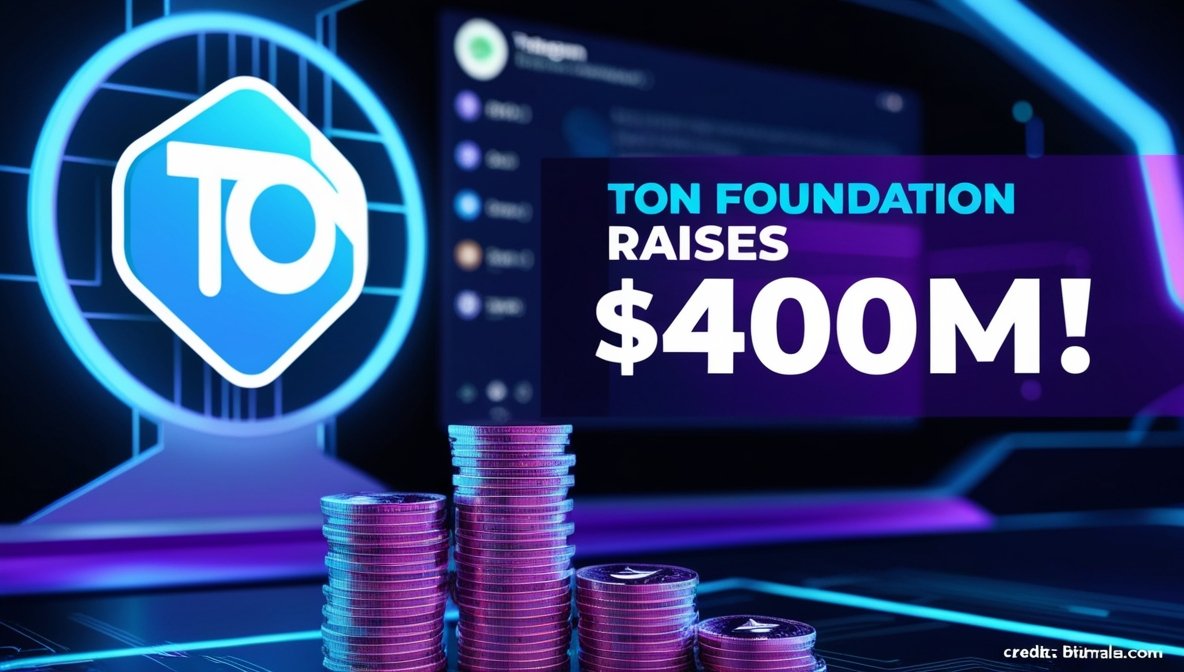
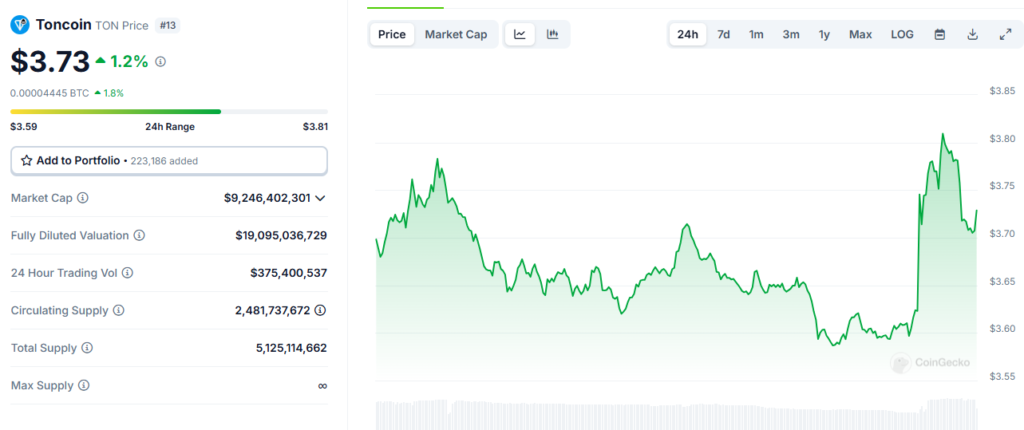
The Open Network Foundation (TON Foundation) just secured a massive $400 million in token-based investments from big-name VCs, signaling serious hype around the Telegram ecosystem.

Who’s Backing TON?

Heavyweights like Sequoia Capital, Ribbit, Benchmark, Draper Associates, Kingsway, Vy Capital, Libertus Capital, CoinFund, SkyBridge, Hypersphere, and Karatage are all in—scooping up Toncoin, the native crypto powering its blockchain.

Their Foundation calls this more than just an investment move; they see it as a strategic partnership to expand the TON ecosystem—though they’re keeping the details under wraps for now.


What’s TON Blockchain?

The TON blockchain is a decentralized network built for Mini Apps within Telegram. While originally a Telegram project, it’s now an independent chain. But there’s still a major link—This coin is the only accepted crypto for Telegram app services as of January 2024.

And the growth? Insane. The number of their native accounts exploded from 4 million to 41 million in just a year. The foundation claims it has over 121 million unique holders and aims to onboard 30% of active Telegram users within the next three years.


TON

Telegram’s Rapid Growth 📈

Telegram is already a powerhouse, hitting 1 billion monthly active users by March 2024—doubling in less than three years (Source: Demandsage). And it’s not stopping anytime soon.

Benchmark partner Peter Fenton predicts Telegram’s user base will hit 1.5 billion by 2030.


VCs Are Going All-In on Crypto 💵

Venture capital funding is flooding into blockchain projects as the industry gains more legitimacy worldwide. Simon Wu, partner at Cathay Innovation, says crypto and blockchain are becoming legit solutions, especially in asset management, transactions, and tokenization.

And where there’s legit traction, capital follows.

📊 In February 2024, crypto VC deals hit $1.1 billion, with DeFi and business services getting the biggest chunk of funding (Source: Cointelegraph VC Roundup).

🚀 What’s Trending in VC Funding?

  • DeFi protocols
  • Decentralized physical infrastructure
  • Tokenized real-world assets

As more big names jump in, the TON ecosystem and the broader blockchain space are heating up. Expect some wild moves ahead.

You might also Like: Insane : XDAO Makes 367K DAOs LEGAL—Game-Changer for Web3!

Elon Musk’s X Sues Indian Government Over Free Speech Crackdown

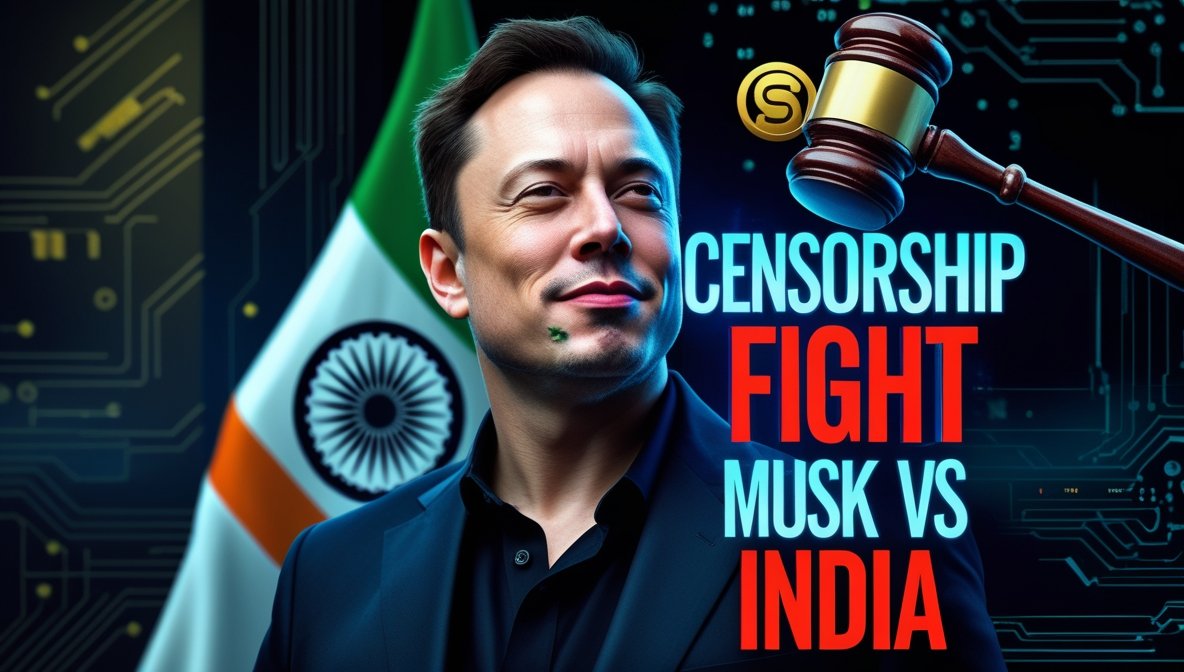
Elon Musk’s X has filed a legal petition against the Indian government, challenging its use of Section 79(3)(b) to censor online content. The company argues this bypasses legal safeguards for free speech.

X Sues Indian Government Over Free Speech Censorship

Elon Musk’s social media company, X sues Indian government and has taken legal action against the Indian government, filing a petition in the Karnataka High Court. X argues that India’s use of Section 79(3)(b) of the Income Tax Act and the “Sahyog Portal” has turned into an unchecked tool for censoring online speech, bypassing established legal safeguards.

Under Section 79(3)(b) of India’s IT Act, social media platforms can lose their legal immunity if they fail to remove content flagged as “unlawful” by the government. However, X contends that authorities are misusing this section to issue takedown orders that do not align with the procedural safeguards of Section 69A.

X Sues Indian Government

Legal Argument Against India’s Censorship

X Corp’s petition emphasizes that the Supreme Court, in its 2015 ruling in Shreya Singhal v. Union of India, declared Section 69A as the only valid legal framework for blocking online content. This section mandates transparency, requiring written reasons for content removal, a pre-decisional hearing, and the opportunity for legal challenge.

YOU MIGHT ALSO LIKE: Breaking News: Trump Becomes 1st US President to Speak at Crypto Event

By invoking Section 79(3)(b) instead, the government is effectively bypassing these safeguards. The petition states:

“The law mandates that information blocking can only be carried out under Section 69A, which provides for judicial scrutiny. By using Section 79(3)(b) as an alternative mechanism, the government is effectively nullifying the Supreme Court’s directives.”

Public Reaction and Past Disputes

X sues Indian government and this legal challenge has sparked debate online. Indian journalist Chandra R. Srikanth posted about the case on X, prompting reactions from users. Some speculated that Musk’s fact-checking AI, Grok, could play a role in exposing the Indian government’s actions. Others called for Grok to verify the legal claims.

This isn’t the first time X has opposed India’s content moderation rules. In 2022, the company also challenged Section 69A orders, criticizing the government for blocking entire accounts instead of individual posts.

With Musk’s growing influence in global tech and free speech advocacy, this legal battle could set a precedent for online freedom in India and beyond.

Insane : XDAO Makes 367K DAOs LEGAL—Game-Changer for Web3!

XDAO automates the legal recognition of DAOs, bridging Web3 with traditional legal systems.

XDAO

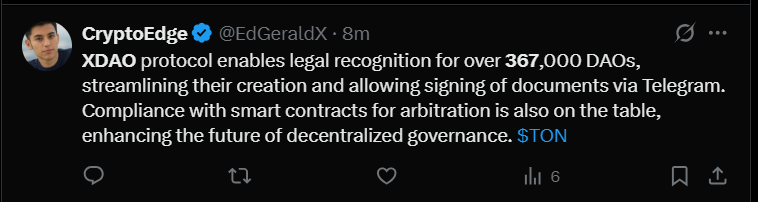
XDAO is rewriting the rules for DAOs—literally! Built on The Open Network (TON), this game-changer has already helped 367,000+ DAOs go fully legal. No more “gray area” headaches—it now automates legal recognition, making DAOs legit in the eyes of the law.

So, how does it work? Well, it has streamlined the DAO creation process, creating a framework where sub-entities interact legally under its constitution. Plus, all disputes can be settled in Singapore courts, where XDAO Labs is registered.

The wildest part? Signing contracts via Telegram bots! Yep, DAOs can sign legally binding docs straight from their Web3 wallets using their Telegram integration. Smart, right? Of course, there are limits—it won’t fly for real estate or securities deals. But for most DAO agreements? It’s golden.

⚖️ And if things get messy? Smart contract compliance comes in clutch. Arbitration agreements can be made through Docusign, Ethsign, or even Telegram itself. If a settlement is needed, an arbitrator can be added to the DAO and get a decisive key vote to finalize payments.

You might also like: North Korean Hackers at It Again Shifts $3.76M in BTC: Exposed

XDAO: The Bridge Between Web3 and the Legal World

Bottom line: XDAO is taking DAOs from experimental to lawfully recognized entities, bridging Web3 and legal systems. The future of decentralized governance? It just got real. Keep watching.

Want to learn more about XDAO and its groundbreaking work? Click here

Breaking News: Trump Becomes 1st US President to Speak at Crypto Event

President Donald Trump addressed the Blockworks Digital Asset Summit, marking the first time a sitting US president has spoken at a crypto event. His remarks reaffirmed support for stablecoins and a pro-crypto regulatory shift.

Trump Becomes First US President to Address a Crypto Conference

President Donald Trump has made history by becoming the first sitting US president to speak at a crypto conference. In a pre-recorded message at the Blockworks Digital Asset Summit on March 20, he pledged support for the industry, stating his administration aims to make the US the “crypto capital of the world.”

Trump in crypto conference

Trump praised recent regulatory shifts and emphasized the role of digital assets in enhancing the banking system, privacy, security, and economic growth. He also highlighted the importance of stablecoins, stating they would help maintain the dominance of the US dollar globally.

His administration has taken multiple pro-crypto steps, including signing executive orders to establish a Bitcoin strategic reserve and commission the Working Group on Digital Assets.

Mixed Reactions to White House Crypto Summit

Earlier this month, Trump also hosted the first-ever White House Crypto Summit on March 7, where industry leaders discussed the future of crypto regulation. Treasury Secretary Scott Bessent emphasized the need for stablecoin regulation, positioning them as key to preserving the dollar’s global reserve status.

At the Blockworks event, Bo Hines, executive director of the Council of Advisers on Digital Assets, revealed that a stablecoin bill could reach Trump’s desk within two months.

Despite the historic nature of these developments, reactions have been mixed. Institutional investors saw them as a positive step, while retail investors and Bitcoin advocates were less enthusiastic. Bitcoin maximalist Justin Bechler criticized the summit as a platform for “rent-seeking lobbyists pushing surveillance tokens.”

YOU MIGHT ALSO LIKE: BREAKING: Solana’s 1st Futures ETF Drops – Is a Spot ETF Coming in 2024?

Following these events, Bitcoin’s price dropped by 7.3%, reflecting uncertainty around government involvement in the industry.

North Korean Hackers at It Again Shifts $3.76M in BTC: Exposed

Lazarus (North Korean Hackers) Moves $3.76M in Bitcoin Across Five Wallets

Lazarus( North Korean Hackers) has transferred $3.76 million worth of Bitcoin to five unknown wallets, raising concerns over potential laundering efforts.

North Korean Hackers

On-chain data from Arkham Intelligence shows that the group’s Bitcoin holdings have now dropped to 13,441 BTC, valued at approximately $1.15 billion. On March 20, at around 9:18 AM UTC, a wallet associated with Lazarus sent 12.929 BTC ($1.12 million) to an unknown recipient. Over the next three hours, additional transactions included 14.849 BTC, 15.684 BTC, and two smaller transfers of 0.308 BTC each, totaling more than 44.07 BTC. Furthermore you can also check transaction details on here.

The movement of funds suggests an attempt to obscure the trail, a common tactic among hackers looking to evade tracking.

Bybit CEO Ben Zhou previously stated that 88.87% of the funds stolen in the recent Bybit hack are still traceable. According to him, Lazarus has converted around $1.23 billion into 12,836 BTC, spreading it across 9,117 wallets. Zhou also noted that the hackers are likely using Bitcoin mixers to further complicate tracking efforts.

YOU MIGHT ALSO LIKE: 3 Memecoin Fails You Should Avoid – Experts Warn!

Despite the focus on Bitcoin, Lazarus (North Korean Hackers) still holds significant assets in other cryptocurrencies. Their Arkham-labeled wallet contains 13,658 ETH (valued at $27 million), $3.17 million in BNB, and smaller holdings in DAI, Baby Doge Coin, and various stablecoins.

Lazarus has been conducting cyberattacks since at least 2009, with its latest heist being the massive $1.4 billion Bybit hack—one of the largest crypto thefts ever recorded.

Trump Administration’s 1st Bold Move to Acquire Bitcoin as a Strategic Asset

In a bold push toward government-backed Bitcoin accumulation, Bo Hines, Executive Director on Digital Assets for President Trump, has revealed that the administration aims to significantly increase U.S. Bitcoin reserves.

Bo Hines: Trump Admin

Trump’s Vision: Expanding U.S. Bitcoin Reserves for Future Financial Security

Speaking at the Digital Assets Summit in New York on March 18, Hines emphasized that the U.S. government should actively acquire Bitcoin, much like traditional reserves of gold.

“I believe it’s high time that our President starts acquiring assets for the American people, which is exactly what President Trump is doing – accumulating wealth rather than depleting it,” Hines declared.

YOU MIGHT ALSO LIKE: Xapo Bank Launches $1M Bitcoin-Backed Loans to Boost Liquidity

When asked about the scale of Bitcoin accumulation, Hines compared it to gold, stating, “When people ask me, ‘How much Bitcoin do you want to acquire?’ I tell them – it’s like asking a nation, ‘How much gold do you want to have?’ The answer is as much as possible.”

Hines also revealed that Trump’s first-ever White House Digital Assets Summit focused on strategies for acquiring Bitcoin in a budget-neutral manner.

The comments signal a major shift in how the U.S. government approaches cryptocurrency. Traditionally, Bitcoin has been viewed with skepticism by regulators, but under Trump’s administration, it could become a key strategic asset.

As more nations explore digital currency reserves, a U.S. push into Bitcoin could accelerate global adoption and reshape financial policies. If implemented, this approach would position the United States as a leader in the evolving digital economy.

With this aggressive stance, the Trump administration is signaling that Bitcoin is no longer just a speculative asset—it’s becoming a foundational piece of U.S. financial strategy.

Exit mobile version