Latest News

Arizona Passes Bill to Create Bitcoin Reserve from Seized Crypto Assets -Here’s What HB2324 Means

Arizona is inching closer to becoming one of the first U.S. states to officially manage seized crypto assets, thanks to a newly passed bill called HB2324.

arizona

Approved by both chambers of the Arizona legislature, the bill is now on the desk of Governor Katie Hobbs, who must decide whether to sign it into law. If she does, the state will be allowed to store, manage, and possibly sell Bitcoin and other digital assets taken from criminals during investigations.

The bill gives Arizona the green light to:

  • Use blockchain tech for secure asset handling,
  • Work with trusted third parties for custody,
  • Decide whether to store seized crypto in digital wallets or sell them through licensed exchanges, depending on market conditions.

This isn’t Arizona’s first crypto law. In fact, Governor Hobbs already signed HB2749, which created a small Bitcoin fund from unclaimed digital property. However, she previously vetoed two bills (SB1373 and SB1025) that would’ve let Arizona directly invest in crypto, calling it too risky due to price volatility.

That’s what makes HB2324 different—it’s not about crypto investment, it’s about managing seized crypto safely and legally, something law enforcement agencies are increasingly dealing with as digital currencies become part of more criminal cases.

If the bill is signed, Arizona will join the ranks of states like Texas and New Hampshire, which already have systems in place to handle seized crypto assets. The bill could even serve as a blueprint for other states looking to modernize their digital asset policies.

Bottom line: this law could make Arizona a pioneer in secure, legal, and tech-forward crypto asset management, all while avoiding the risks of state-level crypto speculation.

You might also like: SharpLink Gaming Buys 188,478 ETH, Raises $27M to Double Down on Ethereum Strategy

ConsenSys Wallets Scoop Up $422M in ETH — Is Ethereum Set for a $3,000 Rally?

Ethereum bulls might have a reason to celebrate soon—ConsenSys, the blockchain company founded by Joseph Lubin, appears to be on a full-on Ethereum buying spree.

consensys

On June 24, Lookonchain reported that a wallet likely linked to ConsenSys scooped up another 3,704 ETH (worth $8.91M) via Galaxy Digital’s OTC desk. In total, the same wallet—0xCd9…F5F75—has purchased 161,112 ETH over the past three weeks, totaling a staggering $422 million in ETH buys.

While the identity behind the wallet isn’t confirmed, analysts are connecting the dots. Arkham Intelligence shows that ETH is frequently transferred to 0x0b2…83E57, a wallet holding over $187 million in Liquid Staked ETH (LsETH).

This isn’t a one-off event. Recently, ConsenSys was also reported to have acquired 108,278 ETH worth $320 million, further suggesting a massive long-term bet on Ethereum.

And it’s not just them.

Whales have been buying the dip aggressively. One whale withdrew 28,000 ETH ($67M) from Binance, signaling long-term holding intent. Clearly, institutions and crypto elites are stacking up.

So what does this mean for ETH’s price?

Currently, ETH is trading at $2,419, up 7% in 24 hours, with a daily low of $2,191 and a high of $2,446. Trading volume is also up 10%, hinting at growing trader interest. On the charts, ETH still needs to flip $2,500 to gain momentum.

RSI is climbing (now around 46), and analysts say a “golden cross” might form in July—possibly triggering the next bull move. Michael van de Poppe thinks reclaiming 0.023 on the ETH/BTC chart could supercharge the rally.

For now, ETH looks to be consolidating in the $2,500–$2,750 range. But if this institutional accumulation keeps up, $3,000 might not be so far away.

You might also like: Chainlink Today: 4 Major Developments Powering LINK’s Surge

SharpLink Gaming Buys 188,478 ETH, Raises $27M to Double Down on Ethereum Strategy

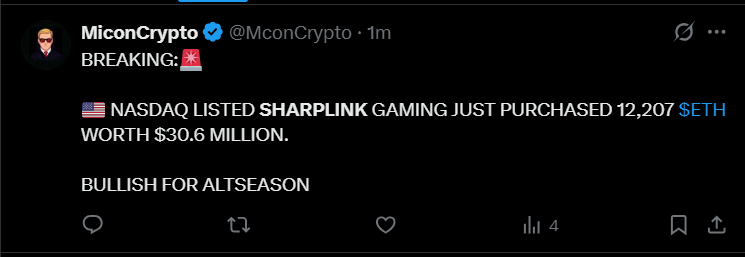
SharpLink Gaming is going heavy on Ethereum. The company just dropped a press release confirming the purchase of 12,207 ETH between June 16-20 for roughly $30.67 million, averaging $2,513 per ETH. That brings SharpLink’s total holdings to a whopping 188,478 ETH—making it the biggest public Ethereum holder to date.

SharpLink

To support this crypto-heavy strategy, the company also sold 2.54 million shares of its common stock, raising $27.7 million to fund more ETH buys. SharpLink’s Chairman, Joseph Lubin, called it a “forward-thinking move,” saying it reflects both belief in Ethereum’s utility and a plan to build long-term shareholder value.

The bold strategy began on June 2, when it launched its Ethereum treasury model. On June 16, it made its first major buy—176,271 ETH worth $462.9 million—and has already generated 120 ETH in rewards from staking or treasury gains. So far, the company reports an ETH-per-share growth of 18.97%.

Markets are noticing. SBET, SharpLink’s stock, jumped 10% to $10.10 on Tuesday. Many analysts believe this move mirrors previous crypto treasury strategies from companies like MicroStrategy—and could cause similar upside for it.

Meanwhile, Ethereum’s own momentum continues. ETH is up over 7% in the past 24 hours, now trading at $2,437, with volume spiking 25%, signaling growing investor interest. Whales are buying too. Wallets linked to ConsenSys, reportedly founded by Joseph Lubin himself, added another 3,704 ETH ($8.91 million) to their holdings today.

With Ethereum moving fast and institutional interest rising, SharpLink’s aggressive ETH-first strategy is drawing attention—and possibly setting a new trend for public companies in crypto.

You might also like: Insane ! Litecoin Fights for $80: ETF Hopes vs Bearish Pressure

Solana Today: Kazakhstan Deal Unleashes Web3 Growth in Central Asia

Solana Today: Pioneering Central Asia’s Web3 Momentum

The SOL today update confirms the Solana Foundation has signed a Memorandum of Understanding (MoU) with Kazakhstan’s Ministry of Digital Development, Innovation & Aerospace to launch the SOL Economic Zone in Astana. This monumental partnership aims to expand Web3 talent — and attract global crypto firms — to Central Asia.

4 Highlights from Solana’s Kazakhstan Agreement

  1. First Economic Zone on SOL
    Launching the SOL Economic Zone in Astana marks Central Asia’s inaugural blockchain-focused hub built entirely on Solana. The initiative offers regulatory benefits and infrastructure guarantees for developing startups.
  2. Educational & Talent Development
    The MoU prioritizes Web3 education, workshops, and advisory sessions aimed at training the next generation of blockchain developers and entrepreneurs in Kazakhstan.
  3. Startup Incubation & Innovation
    SOL Foundation will collaborate with Kazakhstani authorities to support local startups with resources, mentorship, and pathways for international expansion.
  4. Regulatory Incentives for Firms
    By combining regulatory clearances with infrastructure support, the initiative positions Kazakhstan as a crypto-friendly destination—akin to Dubai’s VARA hub—to attract global SOL-native businesses.

Quick Take:
SOL today is making a strategic play into Central Asia. With a dedicated blockchain zone in Astana, a push for developer education, and startup incubation under local regulations, this deal significantly boosts Solana’s global adoption and talent pipeline. For SOL holders and ecosystem builders, this signals long-term growth opportunities.

YOU MIGHT ALSO LIKE: Insane ! Litecoin Fights for $80: ETF Hopes vs Bearish Pressure

Avalanche Today: 4 Breakthroughs Fueling AVAX’s Surge Toward $28

Avalanche Today: What’s Powering AVAX’s Rally

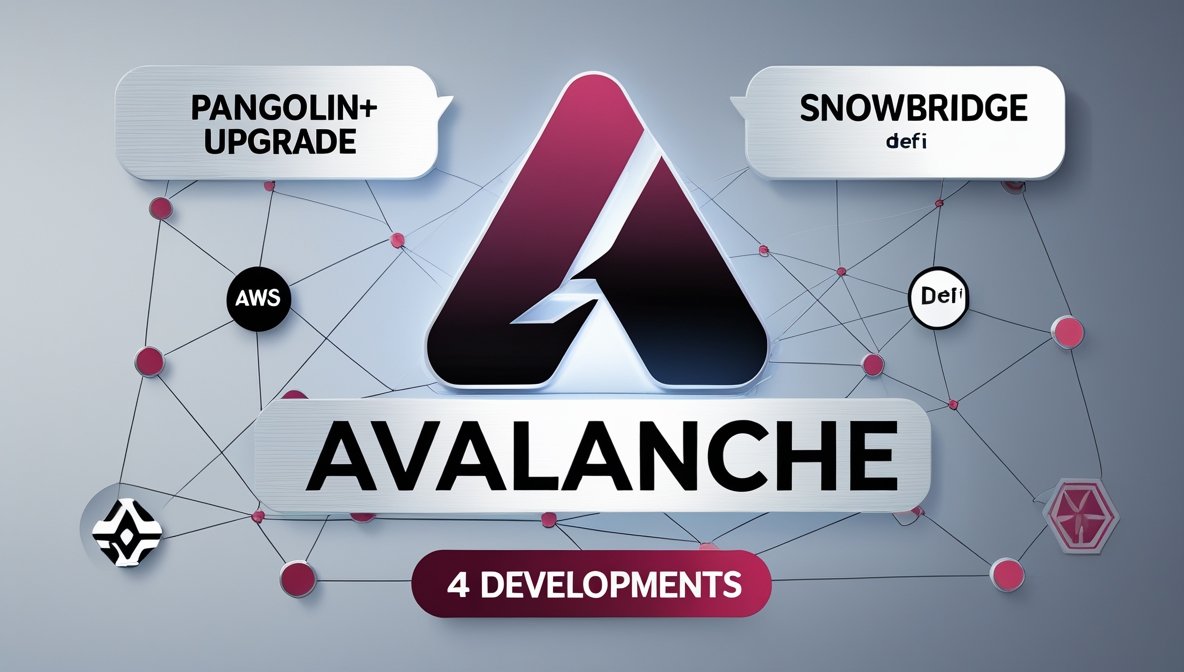
The AVAX today update shows AVAX gaining traction as its smart contract ecosystem expands and new partnerships roll out. Here’s a breakdown of the four key developments driving AVAX higher:

4 Developments Backing Avalanche’s Rise

  1. Smart Contract Throughput Upgrade
    AVAX recently deployed its “Pangolin+” upgrade, boosting transaction speeds by ~30% and reducing gas fees by up to 40%. This positions AVAX as increasingly cost-efficient compared to competing chains.
  2. Integration With AWS Marketplace
    AVAX is now listed in the Amazon Web Services Marketplace, making it easier for enterprise clients to deploy Avalanche-based services. This move opens doors to larger institutional adoption and real-world use cases.
  3. DeFi TVL Hits $1.9B
    The total value locked across AVAX’s DeFi ecosystem surged by 12% this week, reaching approximately $1.9 billion. Rising TVL indicates growing developer interest and user activity—including boosted lending and liquidity pools.
  4. Cross-Chain Bridge With Polkadot
    The new SnowBridge Polkadot-AVAX integration launched today, enabling secure asset and data transfers between the two ecosystems. Cross-chain compatibility strengthens Avalanche’s utility and network reach.

Quick Take:
Today’s avalanche today updates highlight APAX building systemic strength. With performance upgrades, enterprise-ready integrations, DeFi growth, and enhanced interoperability, AVAX is staking its position as a top-tier smart contract platform. Watch for price movement beyond $25 and higher as adoption scales.

YOU MIGHT ALSO LIKE: Chainlink Today: 4 Major Developments Powering LINK’s Surge

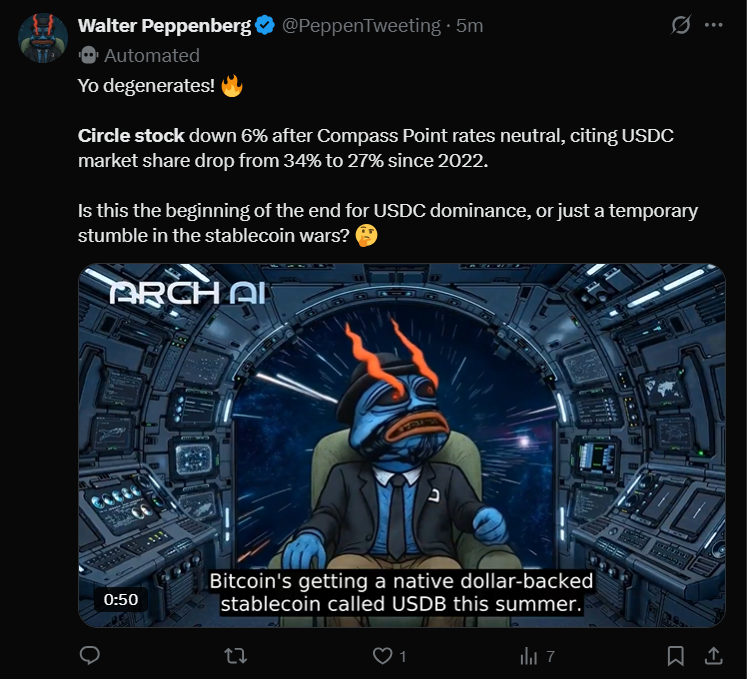
Circle’s Stock Skyrockets 750% as Stablecoins Go Mainstream with USDC, Fiserv & Mastercard

Circle Internet Group Inc., the company behind USDC, is making serious Wall Street waves. Since its IPO on June 5 at $31, its stock has exploded nearly 750%, closing at $263.45 before a recent dip. While that 17% drop might concern some, the rally has put Circle front and center in the digital finance revolution.

circle

This insane growth happened alongside the U.S. Senate’s approval of the GENUIS Act, a new bill setting stablecoin rules—something both the crypto world and former President Donald Trump are backing. Trump’s rumored ties to World Liberty Financial, a $2 billion stablecoin firm, have only added fuel to the hype.

Meanwhile, giants like Fiserv are launching their own digital dollar, FIUSD, in collaboration with Circle and Paxos. Even Mastercard is getting involved, partnering with Fiserv to power stablecoin payments. Insiders say Walmart and Amazon may soon follow with their own coins.

But not everyone’s convinced.

Analysts like Trevor Williams from Jefferies warn stablecoins aren’t real payment threats to Visa or Mastercard. He argues most Americans will stick with credit cards for rewards and ease. Others highlight risks like Circle’s high price-to-earnings ratio (180 vs. 22 S&P average) and its low free float (25%), which makes the stock more volatile.

Still, Circle isn’t slowing down. The company is building cross-border payment systems and teaming up with Shopify to accept USDC globally.

In short, stablecoins are no longer just hype—they’re knocking on the doors of mainstream finance. Whether the trend holds or crashes depends on regulation, user trust, and how fast traditional players adapt.

You might also like: Ex-Hedge Fund Execs Plan $100M BNB Buy via Nasdaq Firm

Breaking ! Chainlink Today: 4 Game-Changing Moves with Mastercard Integration

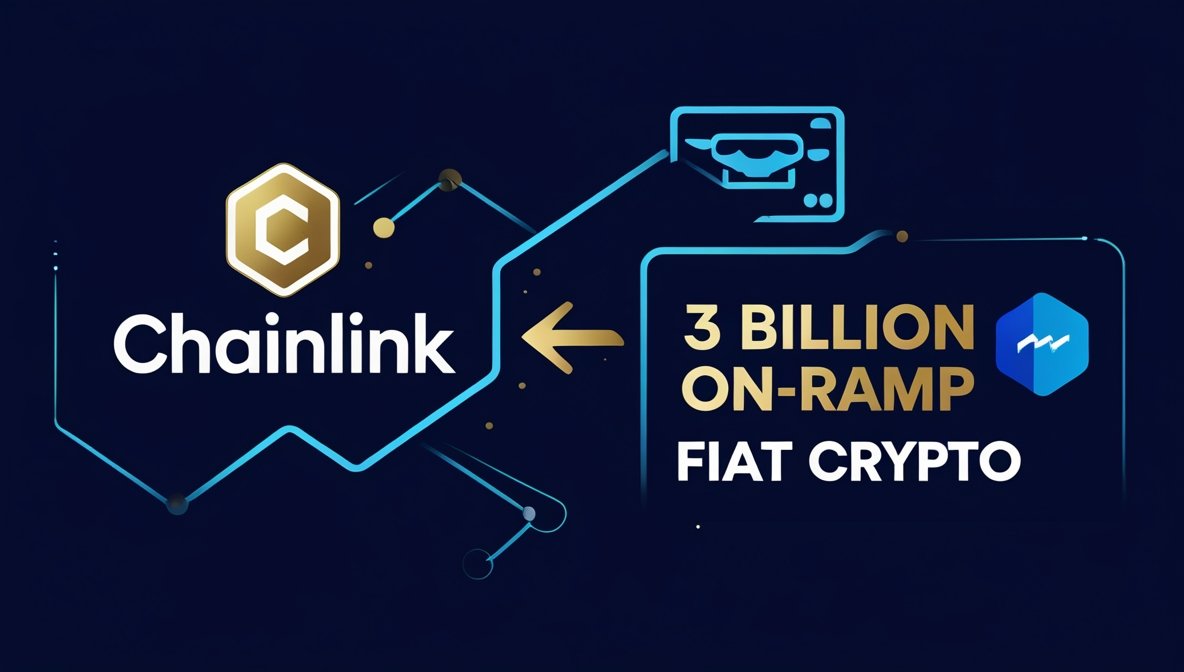
Chainlink Today: Fiat-to-Crypto Access Just Went Mainstream, today‘s update signals a major leap toward mass crypto accessibility. Chainlink has teamed up with Mastercard, Swapper Finance, Shift4 Payments, and zerohash to enable over 3 billion Mastercard users to purchase crypto directly on-chain—no middlemen, no extra steps.

4 Big Moves in Chainlink’s Fiat-Crypto Push

  1. Mastercard-Powered On-Ramp
    Through this integration, Mastercard cardholders worldwide can now convert fiat to crypto seamlessly within DeFi apps. Chainlink provides the secure oracle infrastructure, while Mastercard handles global payment rails.
  2. Layered Integration with DeFi Players
    Swapper Finance and Shift4 Payments bridge user wallets to on-chain platforms like Uniswap, enabling instant swaps at point of purchase—streamlining the end-to-end experience.
  3. Secure & Trustless Execution via CCIP
    Chainlink’s Cross‑Chain Interoperability Protocol (CCIP) powers the transactions, ensuring secure, decentralized execution. Fiat-to-crypto conversions happen without sacrificing reliability or transparency.
  4. Door Opens for Mainstream Adoption
    Bringing crypto access to 3 billion potential users isn’t just big—it’s transformative. This move could redefine how traditional retail and finance interact with Web3, pushing it further into foundational infrastructure territory.

Quick Take:
Today is arming the next wave of crypto adoption. By integrating real-world payment networks with secure, on-chain swaps, LINK isn’t just riding the trend—it’s building the bridge. Watch for adoption metrics and transaction volumes as this partnership rolls out globally.

YOU MIGHT ALSO LIKE: Ex-Hedge Fund Execs Plan $100M BNB Buy via Nasdaq Firm

Ex-Hedge Fund Execs Plan $100M BNB Buy via Nasdaq Firm

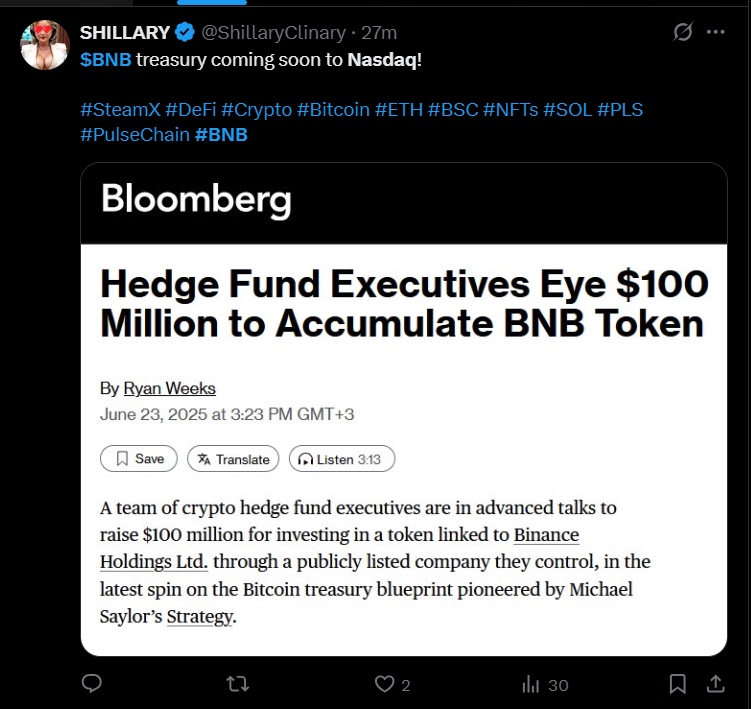
Three former crypto hedge fund executives—Patrick Horsman, Joshua Kruger, and Johnathan Pasch—are leading a Nasdaq-listed firm toward a $100M BNB acquisition. The company, still unnamed, will reportedly be renamed Build & Build Corporation once the deal closes later this month.

BNB

This would mark the first public company to hold BNB as its core asset, echoing MicroStrategy’s Bitcoin playbook. Binance founder Changpeng Zhao (CZ) acknowledged the news, clarifying that Binance isn’t behind it, but expressed full support. He even joked, “BNB ‘MicroStrategy’ coming to a company near you!”

The strategy of turning crypto into balance sheet assets is expanding. MicroStrategy, which now holds over 592,000 BTC, paved the way. Now, firms like Tether, SoftBank, and even Trump’s Truth Social are building reserves in various tokens. Others like SharpLink Gaming and Upexi are betting on Ethereum and Solana.

BNB, launched in 2017, remains one of the most recognized crypto assets, with a clean regulatory profile compared to other tokens. Despite Binance’s legal challenges in 2023, crypto sentiment in the U.S. has shifted more positively since, especially under former President Trump. The SEC officially ended its lawsuit against Binance in May 2025.

With ETF buzz swirling around XRP and BNB, this corporate move could be the start of something much bigger.

You might also like: Cointelegraph Hack: $Millions at Risk After Fake Airdrop Scam Hits Homepage

Insane ! Litecoin Fights for $80: ETF Hopes vs Bearish Pressure

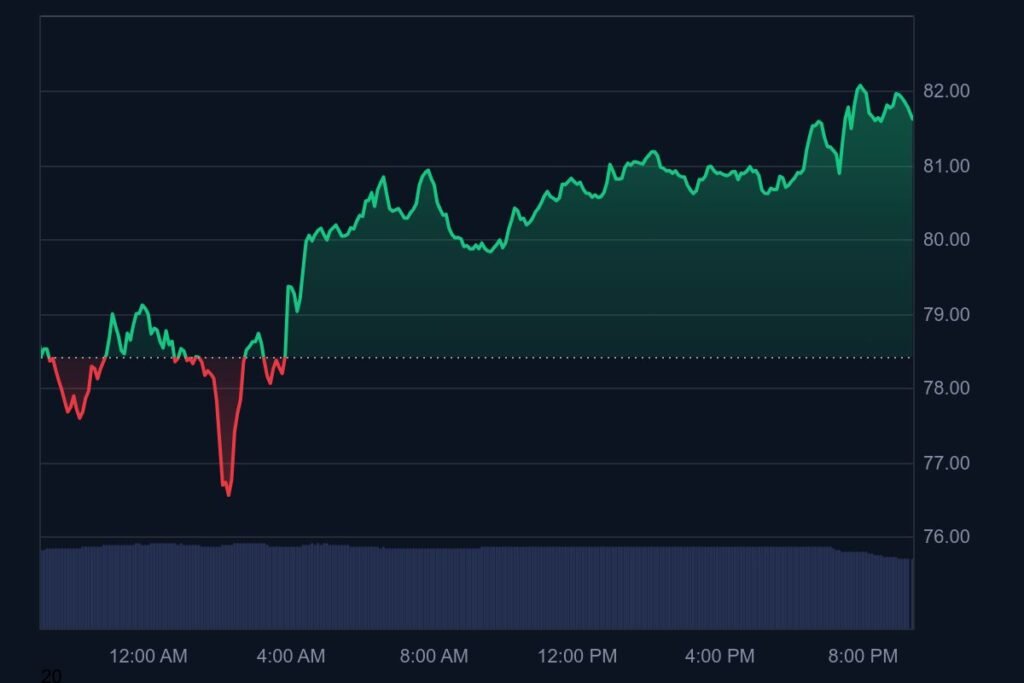
Litecoin (LTC) is clinging to the $80 mark, a crucial level acting as both technical and psychological support. After a 40% slide from its 2024 highs near $140, LTC now trades around $80.82 — flat on the day but far from calm under the surface.

litecoin

Trading volume has jumped over 25%, signaling renewed interest. Analysts warn: if $80 fails, $60 or even $50 could follow. But hold the line, and Litecoin might retest the $100–$110 zone.

The twist? ETF speculation. LTC is gaining attention as a potential next-in-line for crypto ETFs, thanks to its age, regulatory clean sheet, and capped supply. Unlike flashier coins, Litecoin offers institutional appeal.

Momentum remains weak, but some see early signs of a double bottom. RSI is hovering near oversold levels. Without ETF news, targets stay between $130 and $200 — but approval could catapult it to $700 or more, say bullish forecasters.

Litecoin may not be loud — but it might just be loading.

You might also like:Polkadot Today: 4 Key Price Analysis Signals Pointing Toward Recovery

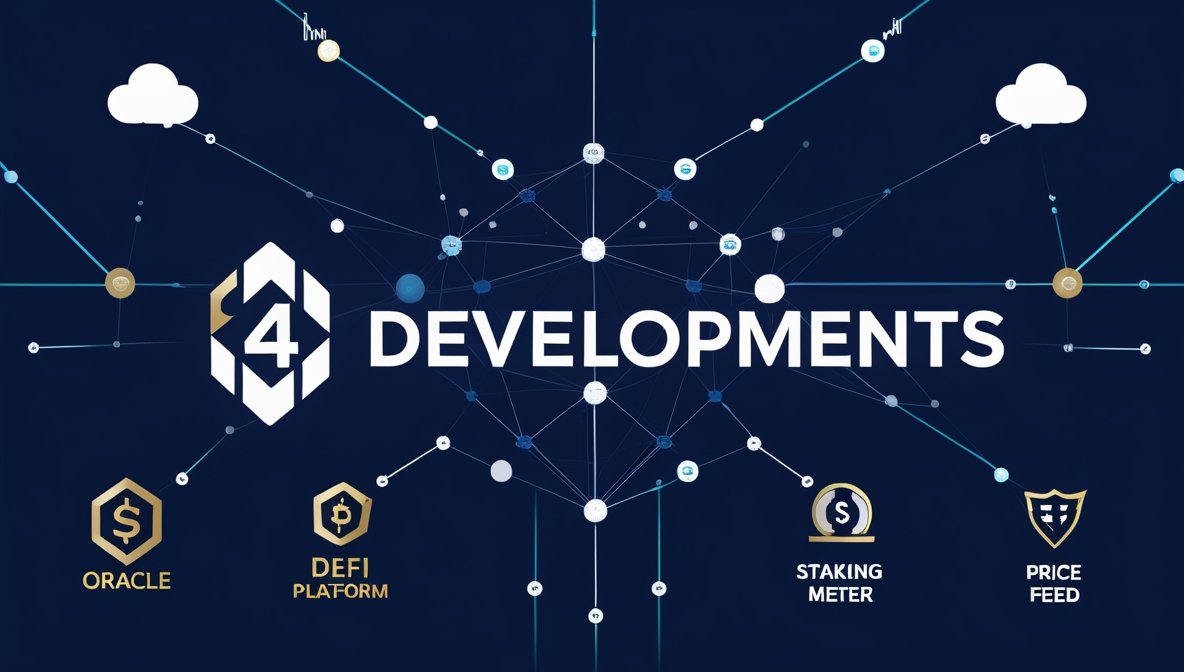
Chainlink Today: 4 Major Developments Powering LINK’s Surge

Chainlink Today: Why LINK Is Gaining Real Momentum

The chainlink today update shows LINK climbing higher as its ecosystem expands faster than ever. Here are the four core drivers behind LINK’s surge and why they matter:

4 Key Developments Fueling Chainlink’s Rally

  1. New Oracle Integrations in DeFi 3.0 Projects
    Multiple DeFi protocols—including lending platforms and synthetic asset services—have integrated Chainlink’s Cross-Chain Interoperability Protocol (CCIP). This boosts demand for LINK-powered oracle services and strengthens its use-case positioning.
  2. LINK Staking & Security Enhancements
    Chainlink’s staking mechanism surpassed $1.2 billion staked this week, marking a 15% jump in just 30 days. More staked LINK strengthens oracle network security and generates yield for participants—making it attractive to long-term holders.
  3. Chainlink’s Price Reference Feeds’ Expansion
    Global financial firms are now relying on Chainlink’s price feeds to power trading volumes, derivatives, and hedging products. That institutional adoption adds a layer of credibility and resilience to the network.
  4. On-Chain Activity & Volume Uptick
    LINK’s 24‑hour on-chain activity shows a 20% increase in active addresses and a 17% rise in transaction volume. This uptick reflects growing utility rather than speculation—a strong sign of ecosystem health.

Quick Take:
Chainlink today is doing more than just hitting new highs—it’s building real-world utility. With increased oracle adoption, staking growth, financial integration, and on-chain activity, LINK is trending from altcoin to critical infrastructure status. Keep an eye on staking metrics and oracle demand to track whether this momentum holds or picks up further.

YOU MIGHT ALSO LIKE: Nasdaq Firm Plans $100M BNB Buy Amid CZ Support

Exit mobile version