Axelar has launched a tool to make digital and decentralized app creation smoother and faster. This project is named Mobius Development Stack. Mobius can be used by developers to easily access infamous networks like Solana, Stellar, and XRP ledger without complication.
Mobius works in coordination with popular OpenZeppelin Libraries and supports both on and off-chain resources. It also brings the finest technology like AU and zk xo-processors for extra flexibility. This also provides security in cross-chain connectivity. Mobius also uses the Interchain Token Service which allows faster creation and transfer of cross-chain tokens.
A New Era for Web3 Devs
Mobius makes building on blockchain several times easier. It creates a versatile environment. The use of Interchain Amplifier backed by assets like Axela’s native AXL token provides security in cross-chain connectivity. It’s all about making the system frictionless and enhancing the developer’s experience in this ever-evolving nature of web3.
The world of Decentralized Finance (DeFi) has been dominated by Ethereum, however, Bitcoin is considered to be “digital gold“. With this consideration, a question arises about why isn’t BTC leading DeFi.
Despite Bitcoin being the most valued and trusted cryptocurrency its use in Decentralized Finance is limited. Ethereum had a design for secure and better smart contracts which gave it an early advantage but with Bitcoin’s technical upgrades, this is starting to change. The introduction of new generation networks like Taproot and The Lightning Network has enhanced Bitcoin’s ability to conduct complex transactions faster, more securely, and at a lower cost. New changes have made Bitcoin sufficient to handle proper Smart Contract and Decentralized Applications (dApps)
From Digital Gold to DeFi Leader:
Bitcoin has already established itself as a trustworthy and secure blockchain element. However, the belief that Bitcoin only being good for ”holding” is starting to change. With Taproot enhancing Bitcoin’s Smart Contract Capabilities and Lightning enabling near-instant transactions, Bitcoin is now ready to dominate DeFi and become a DeFi Leader. Meanwhile, Ethereum is continuously facing challenges with gas fees and scalability, Bitcoin Offers faster, secure, and cost-effective transactions which puts it in a position to dominate the DeFi space.
The Uncapped Potential of Crypto’s True Titan:
The progression of Bitcoin technology allows various other DeFi services such as lending, trading, and asset management. More importantly, Bitcoin’s coordination with cross-chain platforms allows a smooth interaction with other assets like ERC-20tokens and Stacks. Bitcoins ability for handling transactions has already been demonstrated by platforms like Bitfinex, which has integrated the Lightning Network.
The Future of DeFi is Bitcoin:
As Decentralized Finance (DeFi) continues to expand scalability and security both become really crucial, and Bitcoin offers both. Ethereum struggles with high gas fees and network connections. Bitcoin’s infrastructure is boosted by Layer-2 Blockchains, which emerge as a far superior option in the current context. Bitcoin is expressing its compatibility and interoperability, which makes it ready to lead the next wave of DeFi innovation.
As the DeFi space evolves, Bitcoin’s usage will also accelerate making its competitors hard to keep up. I think it is time for investors to realize the future potential of BTC.
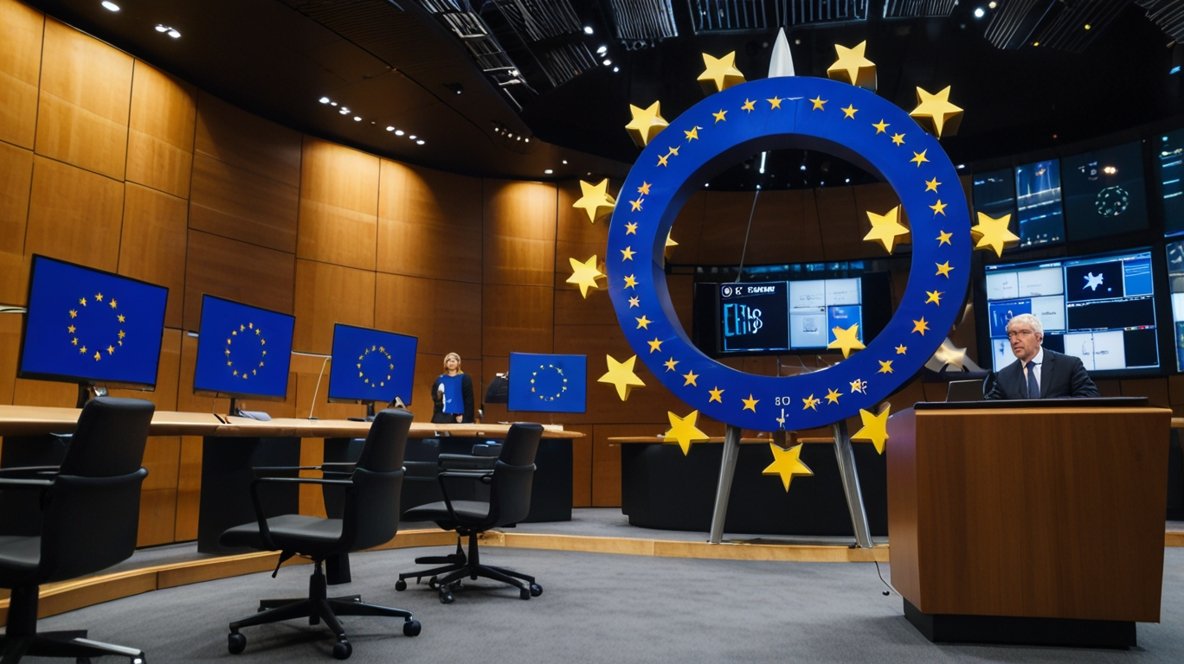
Today nearly 1,000 attendees from industry, civil society and academia are meeting to begin drafting the first Code of Practice for general-purpose AI models.
From transparency to copyright, they’ll help detail the AI Act rules ↓
The European commission is making strict rules for cleaner code of practice for AI developers. European commission appointed 13 experts all around the globe to draft a Code of Practice for General Purpose AI (GPAI) systems which includes popular models like chatGPT.
The group of professionals include PhD holders in AI, professor of civil, commercial and information law, researchers, doctors for medicine research and its application and experts in deep learning. The main goal of this act is to help AI developers obey the AI Act. It will focus on key areas like risk management, transparency, governance etc.
The team is stacked with talented individuals around the world who are trying to create a fair code of practice for developers. The commission will be taking several meeting with various stakeholders such as industry leaders, academics and community groups, by considering such different perspectives this will ensure a more comprehensive code. The drafting is said to be divided into 4 workstreams, each concentrating on a specific aspect of code. The experts aim to complete the Code by April 2025, including revision time. Once, completed this act will ensure ethical use of AI technology.
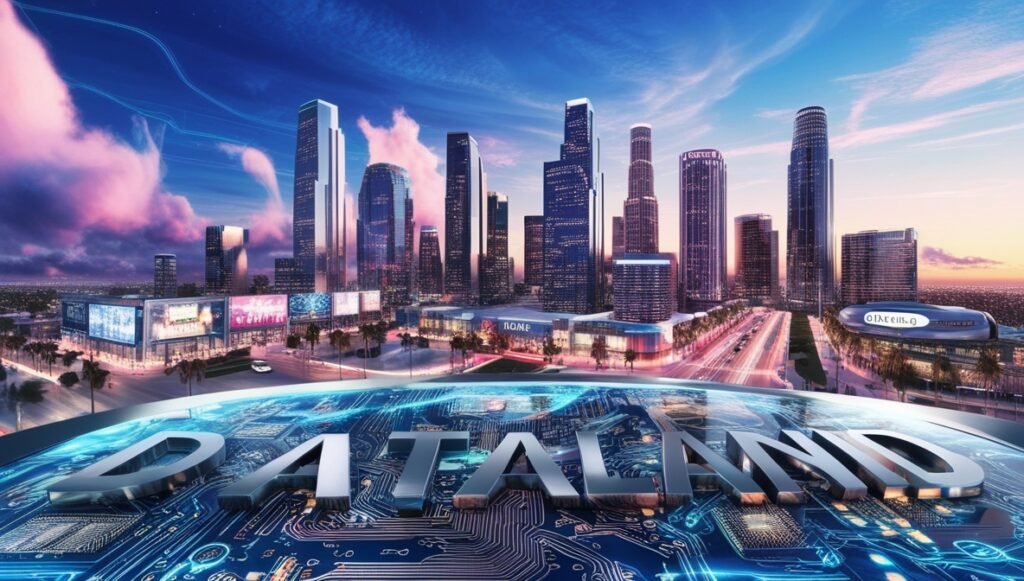
Refik Anadol Studio, co-founded by Refik Anadol and Efsun Erkiliç, is about to launch an innovation masterclass of AI art and NFTs museum named DATALAND at the Grand LA, designed by the famous architect Frank Gehry. This innovative museum located in Los Angeles is believed to transform how we experience digital art by adding AI-generated images, rare NFTs, and many sorts of technical marvels.
Datalandaims to make the museum experience more technically advanced by adding much more than just pictures on walls. The AI-generated gallery will not only showcase Visual art but also add some hints of an AI-generated vibe so it gives multi sensory experience. The main motive behind this innovation is to make art available both in-person and virtually.
As Refik Anadol explained:
“We aren’t yet revealing the details about DATALAND’s artistic programming, but there will be many moments for sharing/exhibiting AI artists’ work both physically and virtually so people who cannot travel to LA have access to the AI art creations. And they can purchase the AI art NFTs minted on sustainable blockchain platforms.”
Futuristic Gallery with Immersive Digital Artwork.
Global Environmental Focus:
DATALAND‘s launch was announced during Climate Week NYC, running alongside the United Nations General Assembly. The exhibition of this museum will feature works of art by the Large Nature Model, which is an AI system based on true data. This exhibition is inspired by nature and natural sustainability, which highlights Anadol’s aim and commitment to promote a safe and secure sustainable natural ecosystem.
UN Under-Secretary-General Melissa Fleming praised Anadol’s work, stating:
“Refik Anadol’s artwork is a testament to the beauty and fragility of our natural world. It’s a clarion call to world leaders: we must harness the power of technology [AI art & NFTs] and human ingenuity and agency to incite action to protect our planet before it’s too late.”
Immersive, Nature-Inspired Digital Art.
A Home for AI Art in LA:
Los Angeles known for its artistic innovation in music, art, and even technology, was chosen to be the home for DATALAND. Refik Anadol stated he felt safe choosing LA as he believes this city to be the base for artistic progression and cultural progression, boldly stating LA to be the perfect place to launch a museum that combines human imagination with AI intelligence.
Anadol shared:
“To have a permanent space for us to develop a new paradigm of what a museum can be—by fusing human imagination with machine intelligence—is a realization of one of my biggest dreams,”
DATALAND set to launch on Los Angeles.
Historical Context of AI Art and NFTs:
Christiane Paul, digital art curator at the Whitney Museum stated the fascinating history of AI art. She believes that AI-generated Art can be traced back to the early 1950s and 1970s. From the early AI generation to to the rise of NFTs in the current context, the intersection of technology and art has evolved exponentially and it’ll continue to make it greater than ever.
Christiane Paul explained:
“AI art has a fascinating history that intertwines technology and creativity, and it continues to evolve, pushing the boundaries of what is possible at the intersection of technology and creativity.”
In 2018, Christie’s made history by auctioning its first AI-generated artwork, moving one step towards integrating AI-generated artwork in traditional art space.
The Future of Museums, AI Art, and NFTs:
Museums for a long period of time have been a safe space for physical art enthusiasts to satisfy their artistic side with hardly any improvement done, however, Museums around the world are now seeing the artistic nature of AI-generated artworks and integrating AI-artwork and traditional artwork showcasing AI’s intelligence and Human’s imagination. Institutions such as Seattle’s NFT Museum, the Centre Pompidou, and MoMA have managed to attract new audiences to this vastly new unventured side.
Kevin McCoy, the creator of the first NFT, supported Anadol’s vision:
“I’m heartened by Anadol’s announcement of DATALAND. He is leading by example both with his ‘ethical AI’ initiative and the commitment to the exhibition and preservation of AI and digital art that the museum represents.”
McCoy also stated :
“Within this context, the provenance provided by NFTs and blockchain-based records, more generally, can play a central role. This will be an important next step in the expanding use of this technology.”
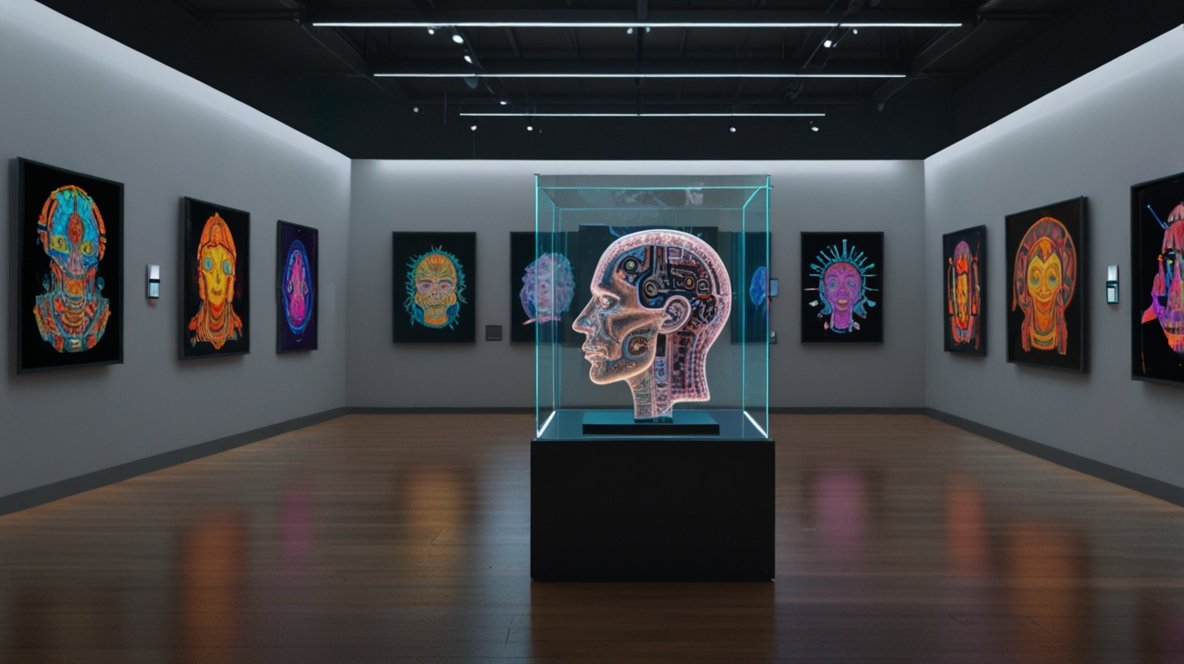
Futuristic Museum Exhibiting AI-Generated Artworks alongside NFTs.
Conclusion:
Museums, as well as Nations, have shown their interest in the growing scope of digital assets in this age, DATALAND aims to play a significant role in nurturing this new age of Artificial Intelligence. It aims to combine cutting-edge technology with art committing themselves to sustainability and creativity. Anadol’s announcement to launch a futuristic museum has left us all with our jaws wide open. Considering how everything has started to become digital or digitally powered, DATALAND may very well represent the future of museums.
SWIFT will trial live transactions through the use of digital currencies and tokenized assets in 2025. This pushes human civilization one step further towards bringing the integration of digital banking and traditional banking together. With the whole world changing and people relying more and more on digital mediums for transactions, SWIFT aims to form a bridge between these two finance systems/
Exciting news! Starting next year, financial institutions from around the world will start trialling live digital asset and currency transactions on the Swift network.
This marks an important milestone in our journey to enable banks to transact interchangeably across both… pic.twitter.com/70BxOMoBpT
SWIFT CONDUCTING LIVE TRIAL TRANSACTIONS FROM 2025
Why Tokenized Assets Need Both Payment and Delivery
Banks as well as asset managers have been trying to use blockchain elements for faster and cheaper trading experiences. The difficulty they faced was with facilitating both tokenized assets as well as a secure payment system. This new platform formed by SWIFT aims to conduct real-life transactions in the traditional banking space.
Further Challenges
This project is widely appreciated but there are people who have their doubts. Not everyone is jumping on digital currency yet. While most countries are applauding the idea some have their doubts like Sweden, which is holding back due to regulatory and technical concerns. SWIFT’s trial is a light sparked in the right direction but the destination is still not clear as there’s still a long way before everyone starts using digital currencies in everyday finance.
Pantera Capital is one of the biggest names in the crypto capital investment scene. That’s not all Pantera Capital also gives investors a front-row seat if the said investor has put $25 million or more for further blockchain deals.
A Game-Changer for Big Investors
For those committing $25 million or more, Pantera is offering something unique: the chance to co-invest in top blockchain opportunities, without paying management fees or carried interest. You’ll get access to 10% of all deals valued at over $10 million, including private tokens and venture equity. And while the focus is on big players, smaller investors might still get in on the action, though with a small fee.
Building on Success, Aiming for More
Pantera’s Fund V builds on the firm’s successful strategy of giving investors access to a broad range of blockchain assets. They’re aiming to raise a massive $1 billion, with the first closing in April 2025. For investors who want to be at the cutting edge of blockchain and crypto, this fund offers a unique and promising opportunity.
Worldpay, a powerful merchant service, and a global payment giant, has finally decided to debut in blockchain validation. This company for the first time will directly validate, review, and verify Blockchain transactions. Worldpay intends to enhance its knowledge about how digital ledger works and provide a safe and more secure environment for all blockchain enthusiasts.
How Worldpay Will Operate as a Validator
Worldpay has till now acted as this huge industrial giant that used to power businesses of all sizes to make, take, and manage all payments. However, now it has decided to venture into the deep dark forest of Blockchain. Worldpay is currently in discussion with various blockchains to become a validator. To fulfill this role WorldPay has to monitor and verify transactions as well as ensure the accuracy of the digital ledger. Worldpay has already processed $1.3 billion in stablecoin transactions, a rising trend compared to 2023.
A New Chapter in Worldpay’s Crypto Journey
This initiative by Worldpay clearly shows their intention to position themselves at the center of the blockchain ecosystem. This move reflects their broader ambition to be at the frontline of the digital market enhancing both customer trust, security as well as technological capabilities.
According to a recent report, Russian hackers are using fake AI sites as a trap to steal crypto wallet details. Cybersecurity firm suspects this to be the work of FIN7, the famous hacking group. The AI sites unknowingly download malware into your device.
Malware like RedLine and Lumma Stealer is designed to collect login credentials and other sensitive information including one’s crypto wallet details. By luring users into their fake AI site they install this malware into their PC, giving direct access to their personal information.
Zach Edwards, a senior analyst at Silent Push, explains that the majority of people targeted in this scam are tech-savvy individuals interested in AI tools. The hackers have cleverly disguised these sites to look legit by making effective use of Search Engine Optimization (SEO) and professional website design. Most of these websites promise deepfake nude images, which is directly connected to a Dropbox link which obviously doesn’t work and leaves the user with only malware on their devices. Some examples of such sites include “aiNude.ai”, “easynude.website” and “nude-ai. pro”.
FIN7 has a long history of hacking and and financial fraud, they are connected to several ransomware gangs, including DarkSide and BlackMatter. Although many of these sites have been taken down, experts warn anyone who interacted with them to consider whether their data is safe.
This past September hackers have managed to steal over $120 million from some big profiles on cryptocurrency platforms. Peckshield verified more than 20 incidents occurring during the month. The hackers are targeting both centralized and decentralized platforms.
#PeckShieldAlert September 2024 saw 20+ hacks in the crypto space, leading to ~$120.23 million in losses. (Note: The $32.4 million worth of $spWETH drained in a Permit signature #phishing is not included)#Top 10 Hacks in September 2024:#BingX: $44 million#Penpie: $27 million… pic.twitter.com/t2YuvIds6u
The biggest damage by hackers in September was dealt to BingX, a Singapore-based exchange that lost about $44 million in a single incident. Penpie, a decentralized finance protocol also suffered a $27 million breach, making it 2nd most damaged entity by crypto hackers. Indodax, a leading cryptocurrency exchange in Indonesia, also suffered about $21million breach. These three represent a significant amount of losses the crypto community had to bear because of hacking.
Many other platforms, such as DeltaPrime, Truflation, Shezmu, Onyx, BananaGun, Bedrock, Cut, etc. were hacked, totaling up to $28 million which makes the overall hacked money well over $120 million. Despite the growing popularity of DeFi, it has become a major target for cybercriminals due to their insufficient security protocols. Most of the platforms hacked are from Asia, it seems that the hackers have found a way to exploit security gaps in the region’s rapidly growing crypto markets.
With September’s hacking, the total amount stolen in 2024 has reached a huge amount of $409 million. These incidents raise serious concerns about the security of the crypto market, casting doubt on its reliability and safety for investors.
On October 4, Sui suffered a massive dip. It dropped over 15% after experiencing a high of $1.97 for six months. The token took a massive loss and fell down to $1.62 before recovering slightly to $1.78, which leaves it 4% down. Its market value also dropped from $5.46 billion to $4.45 billion during this sad turn of events for SUI and SUI enthusiasts.
Token Unlocks, Market Moves, and Profit Rotations
Unlocking of 64.2 SUI tokens coincided with the steep price drop, which might cause volatility. However, the value decrease of SUI wasn’t as bad as anyone would expect. The value degrade wasn’t a complete downfall because SUI was experiencing high value for over 6 months which has kept investors optimistic about the project’s long-term potential.
Some market investors as well as watchers believe that traders shifted into Aptos (APT), a competing layer-1 blockchain hoping to gain short-term profit. Despite its low tide, SUI had 6 months of high tide which has rapidly grown SUI’s ecosystem, with its total value locked (TVL) hitting $1 billion, up from $383 million in August. Several factors have helped SUI gain such strong momentum, for example partnerships with companies like Circle and Atoma. Partnerships are also helping SUI broaden its utility across decentralized finance and blockchain-based AI.
Signs of Recovery and Future Growth
Despite the volatile nature of the layer-1 blockchain, technical indicators suggest that SUI might be heading for a recovery. The token is holding above the middle Bollinger Band ($1.55), and the Average Directional Index (54) points to a strong trend. With such a steady growth in its ecosystem and key partnerships with innovative companies, SUI remains well-positioned for future expansion and does show a sign of potential bullish momentum.