
Crypto Mining Scam in Vietnam Defrauds Over 200 Victims

Over 200 scammed in Vietnam via a fake crypto mining site, BitMiner; victims lost $157K. Cops nabbed 4 fraudsters.


Over 200 people in southern Vietnam got scammed big time by a shady crypto mining site called BitMiner. The fake platform, with a Singapore domain, promised easy cash through Bitcoin mining but ended up swiping VND 4 billion (around $157K) from its victims.

The brains behind this sketchy operation? A group of four, led by Tran Minh Quang, 41. They got busted in Dong Nai Province, near Ho Chi Minh City, for running what police say was a full-on fraud setup. These guys faked being a Dubai-based legit company, using flashy ads to reel people in.

Here’s the full pic: they sold fake crypto mining packages like “Red Diamond” and “Green Diamond” (yeah, sounds fancy) with promises of insane profits. They even recruited collaborators who helped boost their scam, handing out materials and fake trade accounts to make the whole thing look legit.

But that house of cards came tumbling down when the authorities caught on to their game. Now they are left to face the music alone and victims are left to wonder if they will ever see their money again.

Well, we can conclude, if it sounds too good to be true, it probably is—especially in the wild world of crypto.

You might like: New Cannabis Memecoin $CANA Soars 400% in Just 2 Days

New Cannabis Memecoin $CANA Soars 400% in Just 2 Days

$CANA memecoin explodes 400% in 2 days, gaining a huge following with its cannabis legalization focus, especially in Nigeria.


$CANA is a cannabis culture-meme coin that, two days into its release, increased by over 400%. It is, therefore, quite a hot main course for attention among crypto followers and cannabis believers, especially among the population of Nigeria, where a “Cana” is being used as an alias to refer to marijuana. Being all about making a statement over the legalization of cannabis across borders and responsible use, too, this starts some kind of cultural conversation.

As of now, $CANA is priced at $0.0005639, with a market cap of $580k and a trading volume of $550k. It’s already accumulated nearly 5,000 holders—no small feat for a fresh coin. It’s being traded on Pocketfi, part of the TON ecosystem, which is known for easy transactions.

The token’s success has sparked excitement on platforms like X and Telegram, where traders are showing off their earnings. Some are even sharing massive gains, like one who bought 58,895 $CANA for 5.30 TON ($30.76) and saw a 111% profit.

With this kind of auspicious beginnings, here’s the catch: critics call it a “pump-and-dump” scheme. It has an anonymous creator, and the hype will die once insiders cash in. For now, though, $CANA is high-riding, and going by the momentum that it gets from its name tied up with cannabis legalization, it is anyone’s guess when it shall survive.

You might like: Pi Network Mainnet Alert: Core Team Urges KYC Completion by January 31

Pi Network Mainnet Alert: Core Team Urges KYC Completion by January 31

Pi Network urges users to complete KYC by Jan 31 to avoid losing mined coins; 50% still pending verification.


The Pi Network core team is sounding the alarm—get your KYC done by January 31, 2025, or risk losing most of your hard-earned Pi coins. In a January 5 update, they reminded users to complete the Know Your Customer (KYC) process and migrate to the Mainnet ASAP. This isn’t just paperwork—it’s your ticket to keeping your Pi stash safe.

KYC verifies user identities to prevent fraud and block fake accounts. If you miss the deadline, most of your mined Pi coins will be locked away for good. The clock is ticking, and Pi’s 100+ million users need to act fast. As of August, only 13 million users were verified, leaving nearly half of Pioneers in danger of losing their coins.

Meanwhile, the team has paved the way to hurry things along for 1.2 million stuck KYC applications. Plus they are also calling on verified users to become validators themselves and help move things along.

With less than a month left, the message from the team is loud and clear: Don’t wait! Secure your spot in the Mainnet and protect the value of your Pi coins. The deadline’s tight, so jump on this now, Pioneers, or risk being left behind!

Also Read: SUI Skyrockets 30%—Could $8 Be Next?

Pro-XRP Attorney Volunteers to Investigate Operation Chokepoint 2.0

Pro-XRP lawyer John Deaton offers to expose Operation Chokepoint 2.0, calling it a fight for crypto, capitalism, and institutional integrity.

Pro-XRP attorney and crypto activist John Deaton is taking on Operation Chokepoint 2.0—and he’s willing to work for free. The former U.S. prosecutor is volunteering his services to the new Trump administration to investigate what he characterizes as a backdoor, unelected push to cut crypto firms off from conventional banking. Deaton’s offer follows the revelation by Coinbase that it had obtained FDIC records related to the purported crackdown.

In a fiery post on X (formerly Twitter), Deaton didn’t hold back. “This isn’t just about crypto. It’s about stopping unelected bureaucrats from deciding which businesses get to survive,” he wrote, tagging big names like Donald Trump, Elon Musk, and crypto czar David Sacks.

Deaton warned that Operation Chokepoint 2.0 is bigger than just crypto—it’s about protecting America’s free-market ideals. He argued that letting government agencies arbitrarily cut off financial access would set a dangerous precedent, hurting not just crypto but the entire concept of fair competition.

Deaton also spotlighted Custodia Bank’s legal battle with the Federal Reserve, calling it a defining moment for the industry and the economy. For him, this is about safeguarding economic freedom and keeping unchecked power in check. “The stakes couldn’t be higher,” Deaton said. “This is about the future of America’s financial system.”

Also Read: Bitcoin Gold (BTG) Rockets 112% as Upbit Delisting Looms

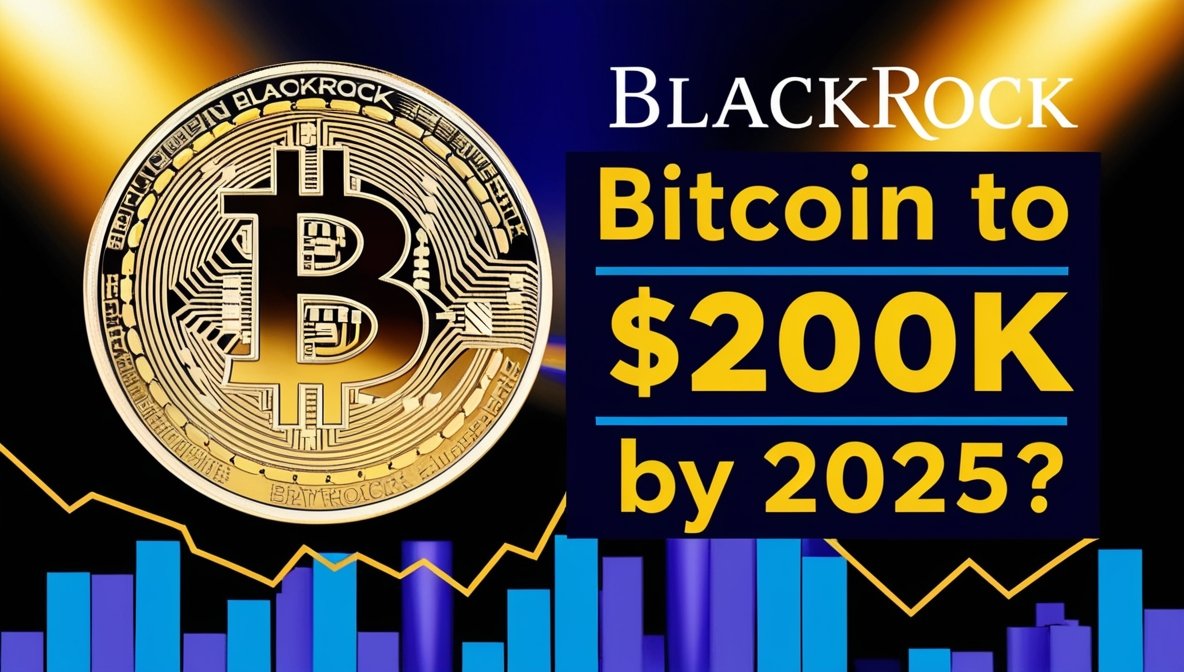
Bitcoin to Hit $200K by 2025? ETFs Approach $110B Milestone

Bitcoin ETFs near $110B, fueling institutional adoption and analysts’ $200K price predictions by 2025. BlackRock leads with 47.9% market share, boosting crypto’s mainstream rise despite short-term resistance.


Bitcoin ETFs are on fire, with analysts predicting a $200K price tag for Bitcoin by 2025. Back in the day, people thought $100K was wild, but here we are. Bitcoin just crossed $100K, and thanks to massive institutional investments, especially via Bitcoin ETFs, the price could keep climbing.

U.S. Bitcoin ETFs are about to reach another milestone of holding a total of $110 billion; they have never been this huge. In addition, U.S. Bitcoin ETFs now control more than 5.7% of all Bitcoin in circulation-a testament to how much institutional money is plowing in. But the giant in this field is BlackRock. Its iShares Bitcoin Trust ETF holds an astonishing 542,000 BTC, roughly 47.9% of the entire U.S BTC ETF market. With this, BlackRock has joined the big players in the move to push Bitcoin to new highs.

Because of this investment rush, the price of Bitcoin has already breached above $50,000 and higher. This run, especially given this momentum from BlackRock, would push it much higher than $200K at the end of this year.

However, there are still some bumps in the road. Bitcoin needs to break through resistance levels around $97K–$99K. If it does, we could see a price explosion. But with institutional backing and growing adoption, Bitcoin’s future is looking more bullish than ever.

Also Read: Bitcoin & MicroStrategy: 2025’s Bounce-Back Kings

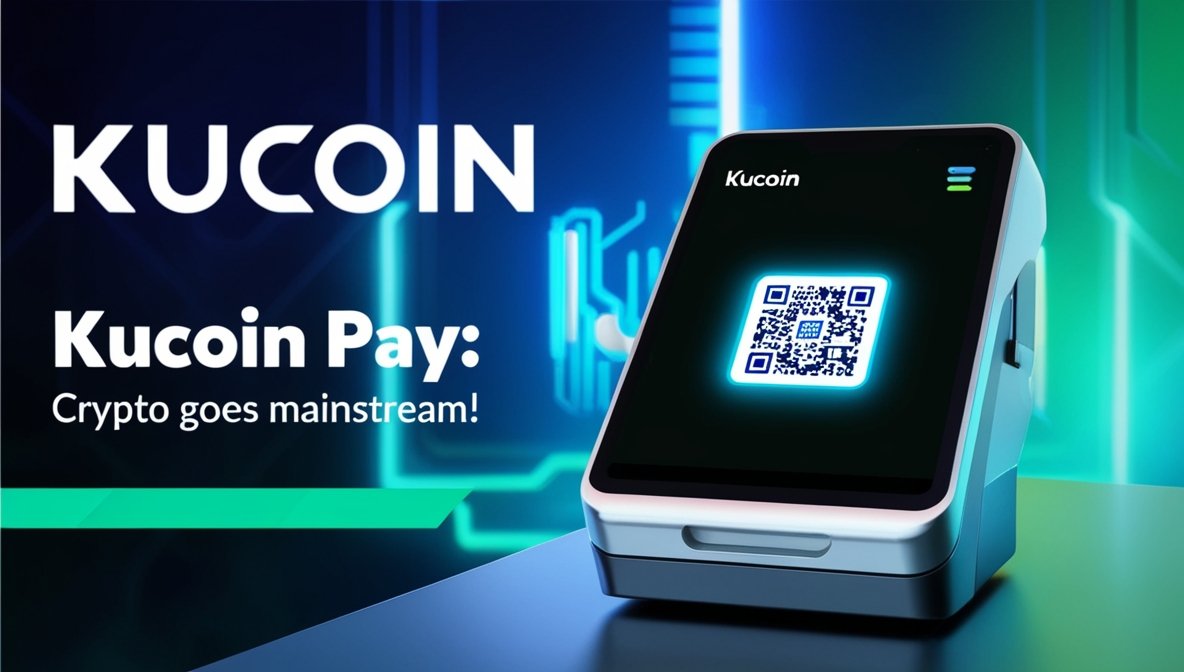
KuCoin Unveils KuCoin Pay to Strengthen Ties with Retail Users

KuCoin launches KuCoin Pay, which will make crypto payments as smooth as possible for retail at low fees, 54+ cryptos, and the ease of a QR code.


KuCoin, one of the largest crypto exchanges with over 37 million users, has just introduced its latest point-of-sale system, KuCoin Pay. The goal? Make paying with crypto as easy as tapping your phone. This is all about tugging crypto closer to mainstream retail and everyday use.

KuCoin Pay enables online and offline acceptance of 54+ cryptocurrencies to ensure a seamless, borderless, and low-fee experience. Designed to work in tandem with KuCoin’s giant global network, near-instant settlements are possible. For businesses, it’s super easy to set up-just plug it into your existing setup. Shoppers pay by scanning the QR code or using the KuCoin app, making crypto payments feel super familiar.

It doesn’t stop at retail stores, though: KuCoin Pay also covers stuff like purchasing gift cards and topping up mobile balances, giving crypto even more real-world utility. With an already huge user base, KuCoin is also helping businesses connect with millions of potential customers.

While it remains to be seen just how successful the service will be based on business and user adoption, KuCoin Pay is a pretty bold leap into mainstream crypto adoption. Suffice it to say, KuCoin is going all-in with making digital assets a core part of life. Want in? For all the deets, head to the KuCoin Pay site.

Also Read: Crypto Hope: Syria Weighs Bitcoin to Rebuild Its Economy

Robert Kiyosaki Foresees Bitcoin Surging to $175K–$350K by 2025

Robert Kiyosaki predicts Bitcoin could hit $175K–$350K by next year, hyped by growing demand, economic chaos, and bullish vibes.


Robert Kiyosaki, the guy behind Rich Dad Poor Dad, just dropped a wild prediction: Bitcoin might skyrocket to $175K–$350K by 2025. After Bitcoin’s insane run last year—where it surged 121% and hit an all-time high of $108,135—Kiyosaki believes the crypto king is far from done.

Why so bullish? Kiyosaki says the world’s economic mess, especially in places like the U.S., China, and Europe, is pushing people to stack Bitcoin. It’s not just crypto fans; investors see it as a way to hold onto their wealth when everything else feels shaky.

“Bitcoin, gold, silver, and real estate made me rich,” Kiyosaki tweeted, urging people to self-custody their BTC instead of relying on ETFs or big institutions.

Other experts get even more hyped. Tom Lee from Fundstrat thinks it could go to $250K, while Galaxy Digital says $150K might come sooner than people think. Economist Alex Krüger even hints that the Fed’s next moves could fuel a big bull run.

Not everyone’s convinced, though. There are still skeptics like Warren Buffett and Charlie Munger. But to Kiyosaki, BTC is not another trend; it is the future of wealth.

Also Read: Bitcoin & MicroStrategy: 2025’s Bounce-Back Kings

Crypto Hope: Syria Weighs Bitcoin to Rebuild Its Economy

Syria is looking forward to legalize Bitcoin and stabilize its economy. Plus it will bypass sanctions, and boost global investment, despite challenges and risks.

After nearly two decades of war, Syria’s economy is at a bad spot, with sky-rocketing inflation and a fast-losing valued currency. Banks can do nothing, and people cannot even rely on savings. But hopefully, things are going to change now, as the Syrian government weighs up legalizing Bitcoin and other digital currencies in a last-ditch effort to turn things around.

The Syrian Economics Research Center thinks Bitcoin could help stabilize the economy, control inflation, and bring in foreign investment. The plan is to allow people to mine, trade, and use Bitcoin for everyday stuff, even giving them an alternative to the broken banking system.

A major part of the idea is to create a digital version of the Syrian pound, backed by hard assets like gold or Bitcoin, to restore some trust in the currency. With a digital economy, Syrians could shop online and easily send money from abroad, plus mining Bitcoin using Syria’s unused energy resources could bring in fresh income.

But it’s not all smooth sailing. Syria is under international sanctions, making it tough to integrate cryptocurrencies, and some are worried about Bitcoin falling into the wrong hands. Still, if it works, it could be Syria’s way of bypassing the financial system and getting some much-needed relief.

Also Read: Musk’s Rebrand Sparks $3 Million Windfall for Investor

Musk’s Rebrand Sparks $3 Million Windfall for Investor

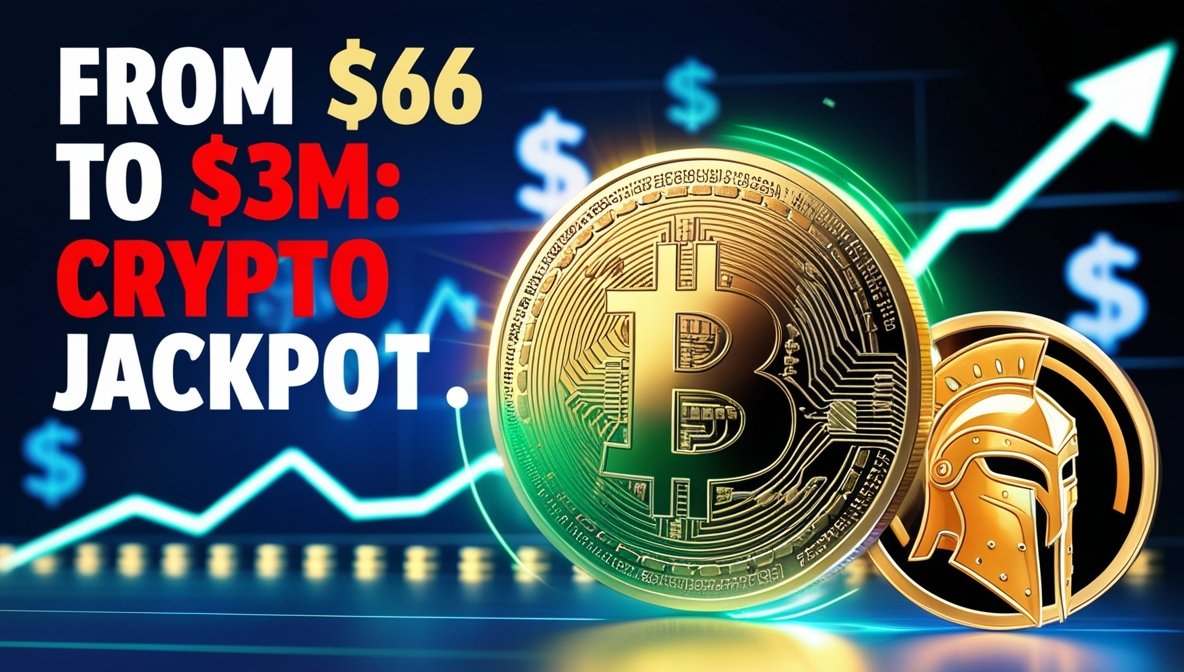
Musk’s “Kekius Maximus” name change turned $66 into $3M, hyped a meme token, then crashed as attention shifted.

Elon Musk’s quick name change to “Kekius Maximus” on X sent shockwaves through the crypto world, turning a random $66 memecoin bet into a wild $3 million jackpot. On Dec. 14, a trader snagged 10.17 million $KEKIUS tokens, and by Jan. 1, cashed out 2.81 million for 60.3 Ether, scoring an insane 45,900x return. Talk about a glow-up!

So, what’s $KEKIUS? Think Pepe the Frog meets Gladiator. This quirky token dropped on Dec. 13 and skyrocketed, hitting a $380 million market cap by New Year’s Day. The hype got an extra boost when Musk shared AI-created Pepe gladiator art, racking up nearly 50M views.

But the vibe didn’t last. After Musk ditched the “Kekius Maximus” name, $KEKIUS took a hit, dropping its market cap to $100.5 million. Still, over 23,600 people are holding onto the tokens, hoping for another pump.

Meanwhile, on Jan. 1, Musk’s attention shifted to a Tesla Cybertruck explosion outside Trump’s Vegas hotel, raising terrorism concerns. The drama stole the spotlight, cooling $KEKIUS hype.

Even with the dip, $KEKIUS proves memecoins can make or break fortunes overnight—if you play your cards right.

Also Read: Binance Hits 250M Users, Sets Sights on 1 Billion by 2025

Under Putin’s Directive, AI Collaboration Between Russia and China Grows

Putin urges Russia to team up with China and BRICS, boosting AI efforts amid sanctions and tech challenges, aiming to rival the US.

Russian President Vladimir Putin is hyping up Russia’s AI game by teaming with China and BRICS nations. Recently, the Kremlin announced a plan for Sberbank and the government to strengthen AI ties with China. This comes hot on the heels of Putin’s promise to work with BRICS and other countries to push AI innovation forward.

Why the big AI push? Western sanctions have left Russia scrambling for tech, especially focusing on GPUs that power AI. Big chip makers have stopped shipping to Russia which has ultimately led to slowing its progress. Even Sberbank’s CEO, German Gref, admitted last year that replacing GPUs has been a massive headache.

Now, Russia is looking to collaborate with non-Western allies to break the US’s grip on 21st-century tech. Putin’s also launching a new AI Alliance Network to bring together experts from BRICS and beyond.

But let’s be real—Russia’s got a long way to go. According to Tortoise Media’s Global AI Index, Russia sits at 31 out of 83 countries in AI development, trailing behind the US, China, and even fellow BRICS nations like India and Brazil.

The vibe? Russia’s gearing up for a big AI glow-up with China and friends, trying to flex in the global tech scene.

You might like: Kekius Maximus ($KEKIUS) Tanks 80% After Epic Pump

Exit mobile version