HTX Delists PI Coin and Suspends Trading Before Mainnet Launch

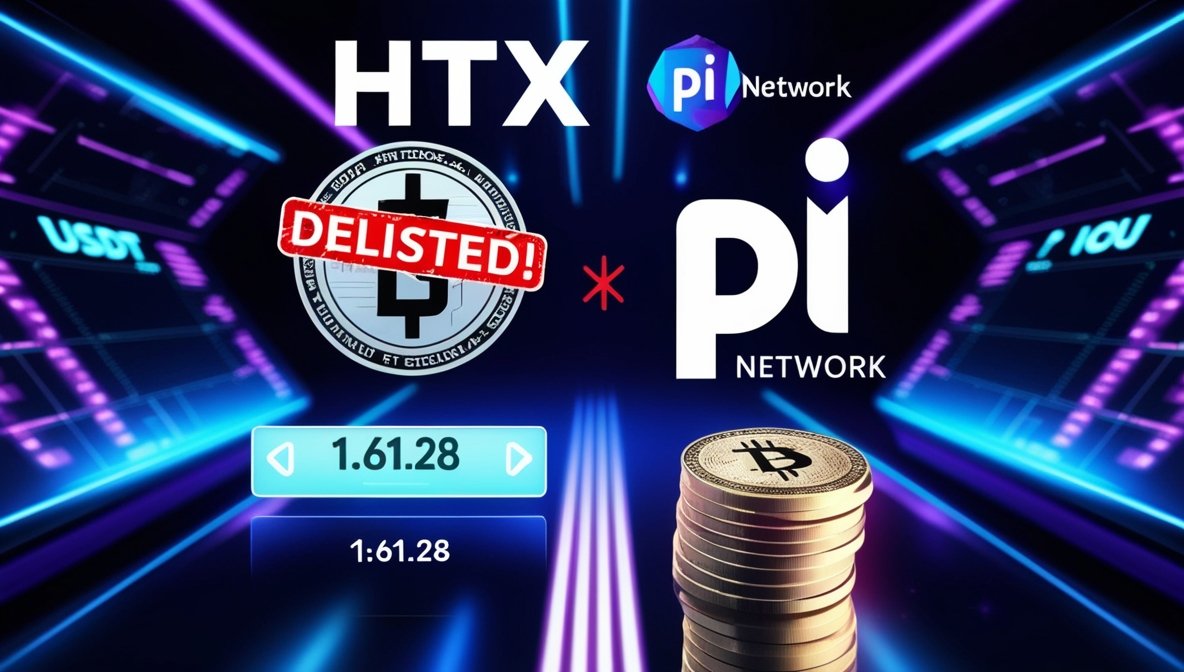
HTX is ditching PI IOU trading, swapping holdings for USDT (1:61.28). PI’s real mainnet is coming, and HTX promises to list the actual token once it’s live. Stay tuned!

HTX just made a bold move—it’s delisting PI Coin’s IOU version and swapping user holdings for USDT at a 1:61.28 rate. The exchange will stop all PI IOU trading on Feb 13 at 08:00 UTC, automatically canceling open orders and crediting users’ spot accounts with the converted assets.

Why? The long-awaited Pi Network mainnet is finally in sight. This could be a game-changer, moving Pi from its closed system to a completely decentralized blockchain. As hype builds, HTX is leading the way for the real PI token, which they assured will be listed ASAP on mainnet launch.

Retail investors are paying close attention as Pi Network has been gaining traction for years. Unlike most crypto projects, Pi lets users mine coins on their phones without upfront investment—hence its massive user base.

Meanwhile, PI IOU has been struggling, dropping 21% in just a day, making HTX’s move even more significant. For now, PI fans just have to wait for the official token to drop. HTX says, “Stay tuned.”

Also Read : World Liberty Financial Snaps Up $5M in ETH During Market Dip

Canary’s Solana ETF Advances in SEC Review Process

Canary just filed for a Solana ETF, following Grayscale. SEC is reviewing, and a decision could shape future altcoin ETFs.

Canary Capital is making moves in the crypto space by officially filing for a Solana (SOL) exchange-traded fund (ETF), following Grayscale’s similar filing last week. This marks a step forward in bringing Solana into mainstream finance, with the SEC now reviewing the “Canary Solana Trust.”

The SEC has opened a 21-day public comment period, giving the public a chance to weigh in. After that, they’ll decide whether to approve, deny, or extend the decision. A lot of crypto experts are hopeful that Solana and other altcoins will get their own ETFs this year, but no one’s sure exactly when that will happen or in what order. The vibe under the SEC’s new leadership seems more open to crypto compared to when Gary Gensler was in charge.

If Canary’s ETF gets the green light, it’ll make it easier for traditional investors to buy Solana the same way they buy Bitcoin through ETFs. Grayscale’s Solana ETF is a bit ahead in the process, and its outcome could give us a glimpse of how the SEC might handle Canary’s application. It’s an exciting time for Solana and altcoins in the finance world!

Also Read: WazirX Legal Partner Kroll to Conduct User Voting from March 19-28

Pump.fun Sees Surge of Fake Beer Biceps Memecoins Amid Ongoing Controversy

After drama on India’s Got Latent, fake Beer Biceps and Samay Raina memecoins popped up on Pump.fun, pumping fast before crashing. Traders jumped on the hype, just like they did with Elon Musk’s “Harry Bolz” and Saif Ali Khan’s controversy. In crypto, virality = quick cash grabs.


The internet loves drama, and crypto traders love profiting off it. After the India’s Got Latent controversy involving YouTuber Ranveer Allahbadia (Beer Biceps) and comedian Samay Raina, memecoins using their names flooded Pump.fun.

Two of the biggest ones, BEERBICEPS and Justice for Ranveer Allahbadia (JFRA), saw quick pumps—BEERBICEPS spiked 35% before crashing back to its launch price, while JFRA jumped 22% before fizzling out. Both had tiny market caps of around $5,500, meaning they were just quick speculative plays.

Samay Raina wasn’t spared either—tokens in his name also appeared, hitting a market cap of just $5,625. The whole thing started when India’s Got Latent aired roast segments featuring Ranveer and Samay, leading to a police complaint. As soon as the news dropped, crypto traders seized the moment, launching memecoins to cash in on the virality.

This isn’t new—when Elon Musk changed his X name to “Harry Bolz,” a flood of Harry Bolz memecoins hit the market. After news of Saif Ali Khan’s attack, fake tokens in his name appeared too. In the crypto world, every viral moment is just another pump-and-dump opportunity.

Also Read: Pi Coin Market Cap Crashes to $0 on CoinMarketCap – Glitch or Disaster?

WazirX Legal Partner Kroll to Conduct User Voting from March 19-28

WazirX is letting 4.4M users vote on Kroll’s platform (Mar 19-28) for fund redistribution after the ₹2000Cr hack, results on Apr 11.


WazirX is finally letting its 4.4 million users have a say on how their funds will be redistributed after last year’s massive ₹2000 crore hack. The voting will take place on Kroll Information Services (KIS) from March 19-28, as ordered by the Singapore Court overseeing WazirX’s parent company, Zettai Pte Ltd. The goal? To make the process fair and transparent by using an independent third-party platform.

Kroll isn’t just any random firm—it’s the legal partner WazirX hired to sort out creditors’ claims after the crypto exchange got suspended for seven months. During a YouTube town hall on Wednesday, WazirX confirmed that only scheme creditors with approved claims can vote. Plus, regardless of how users vote (or if they don’t vote at all), the final decision will apply to everyone if the scheme is approved.

To ensure everything checks out, WazirX has also brought in Alvarez & Marsal (A&M) as an independent assessor. A&M will audit the voting results from April 1-8, and the final outcome will be revealed on April 11, this year. This is a crucial step for WazirX users hoping to recover their lost funds.

Also Read: Litecoin Goes Wild! 🚀 Will the SEC Approve an ETF Soon?

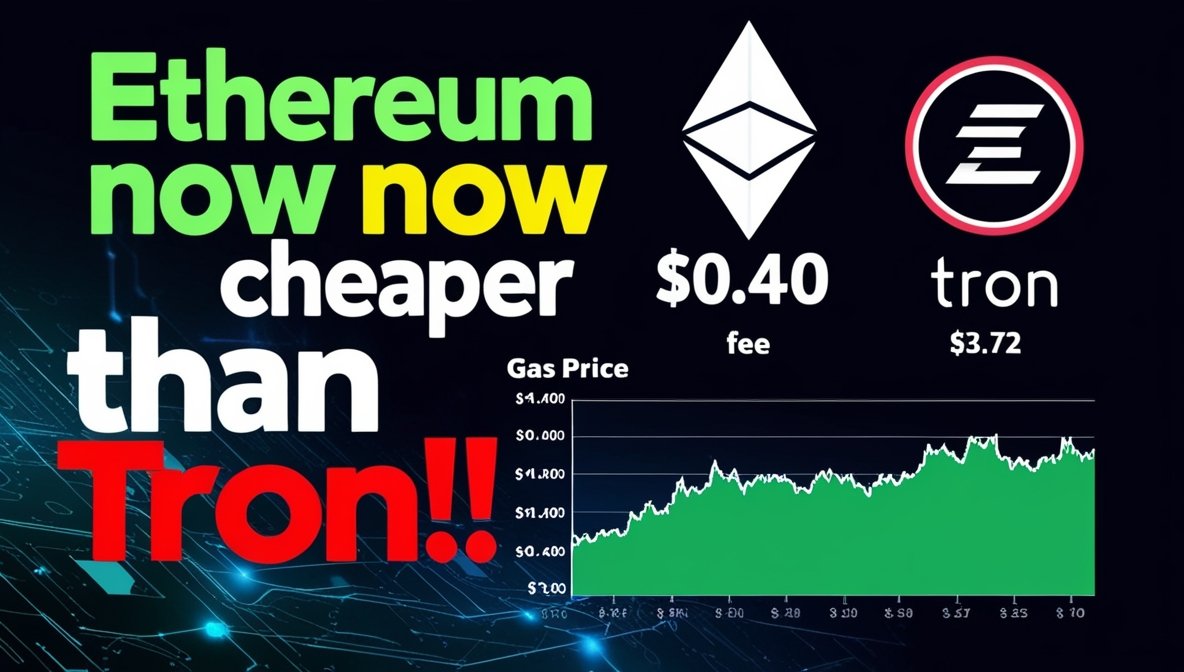
USDT Transfers on Ethereum Become Cheaper Than on Tron

USDT transfers are now cheaper on Ethereum ($0.40) than Tron ($3.72), thanks to Ethereum’s low gas fees.

In a surprising twist, USDT transfers are now cheaper on Ethereum than on Tron. Ethereum’s gas fees have dropped to their lowest level in five years, making it a more affordable option than Tron, which was once known for having the lowest transaction fees in the blockchain world.

For example, transferring USDT from Trust Wallet costs just $0.40 on Ethereum, in comparison to $3.72 on Tron. This is a huge shift, considering it was once one of the most expensive blockchains to use due. At one point, users were paying as much as $198 per transaction on Ethereum! But now, the average gas price on Ethereum has dropped to a super-low $0.05 per transaction.

While Tron has been dominant in fee generation recently, Ethereum’s price drop could signal a shift in the DeFi ecosystem. Solana is currently leading the pack in 24-hour fee generation, with Tron and Ethereum following behind.

With gas fees now much cheaper, experts believe that Ethereum’s DeFi ecosystem could see a major recovery in the coming months, gaining back the traction it lost due to high transaction costs.

Also Read: Elon Musk’s ‘Harry Bolz’ Name Change Sparks Over 200 New Memecoins

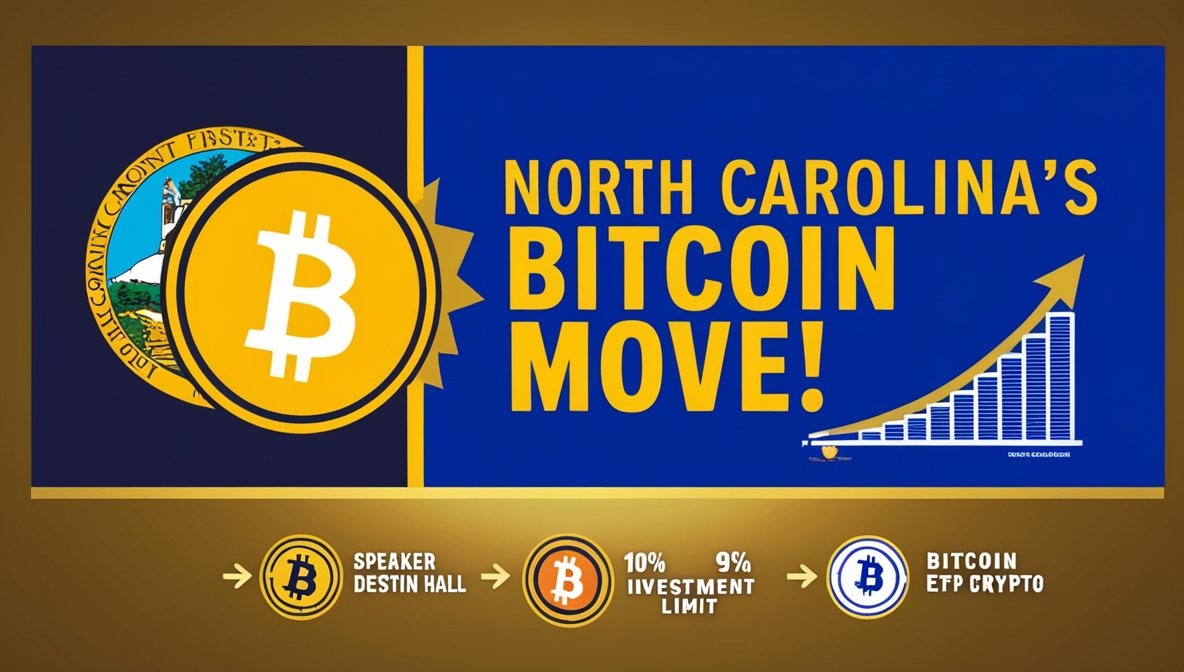
North Carolina Joins 19 States in Proposing Bitcoin Reserves

North Carolina introduces a bill to invest public funds in Bitcoin. By doing so it has officially joined in with 19 other states pushing for crypto adoption.


North Carolina is stepping up its crypto game! On February 10, Speaker Destin Hall introduced the NC Digital Assets Investments Act (HB 92), which could make the state one of the biggest players in Bitcoin investment. The bill suggests the state treasurer invest public funds in “qualified” digital assets like Bitcoin.

Under the proposed law, North Carolina could start putting money into Bitcoin exchange-traded products (ETPs) that meet specific conditions, such as maintaining a $750 billion market cap in the last year. However, there’s a catch: the bill ensures that no more than 10% of the state’s public funds can be invested in these digital assets.

Speaker Hall says this move will surely put North Carolina at the forefront of technological advancements and align with former President Trump’s vision of a national Bitcoin stockpile. This makes North Carolina the 20th state to propose such crypto legislation. Its basically following in the footsteps of Arizona and Utah. While states like North Dakota are holding back, the trend is clear—crypto investments are gaining traction as a way to strengthen state budgets and tap into the power of blockchain and decentralized finance.

Also Read: Binance Claps Back at Reserve FUD: No Assets Sold

Elon Musk’s ‘Harry Bolz’ Name Change Sparks Over 200 New Memecoins

Elon Musk’s ‘Harry Bolz’ name change on X triggered over 200 memecoins on Solana, skyrocketing 17,000%, but none of them are officially endorsed.


Elon Musk did it again—he changed his X username to “Harry Bolz,” and the crypto world went wild. Within minutes, over 200 new memecoins popped up on the Solana blockchain, all riding the hype train. These tokens launched on Pump.Fun, but let’s be real—none of them are officially backed by Musk.

Musk’s bizarre name change on Tuesday afternoon got X users buzzing. “Harry Bolz” (which sounds hilariously close to hairy balls) isn’t even new—he pulled this stunt back about 3 years ago too. But this time, the crypto crowd wasted no time capitalizing on it.

One of the first “Harry Bolz” memecoins skyrocketed 17,000% within 30 minutes, pushing its market cap to $3.68 million. However, a quick look at Pump.Fun shows hundreds more flooding in, hoping to cash in before the joke fades.

As usual, Musk hasn’t said a word about why he changed his name or if he even knows about the tokens. But memecoins thrive on hype and chaos, so this was bound to happen. Just a reminder—most memecoins have zero utility, and their prices are pure speculation.

Also Read: Poland’s Central Bank Says ‘Hard Pass’ to Bitcoin: Stability Over Crypto Volatility 

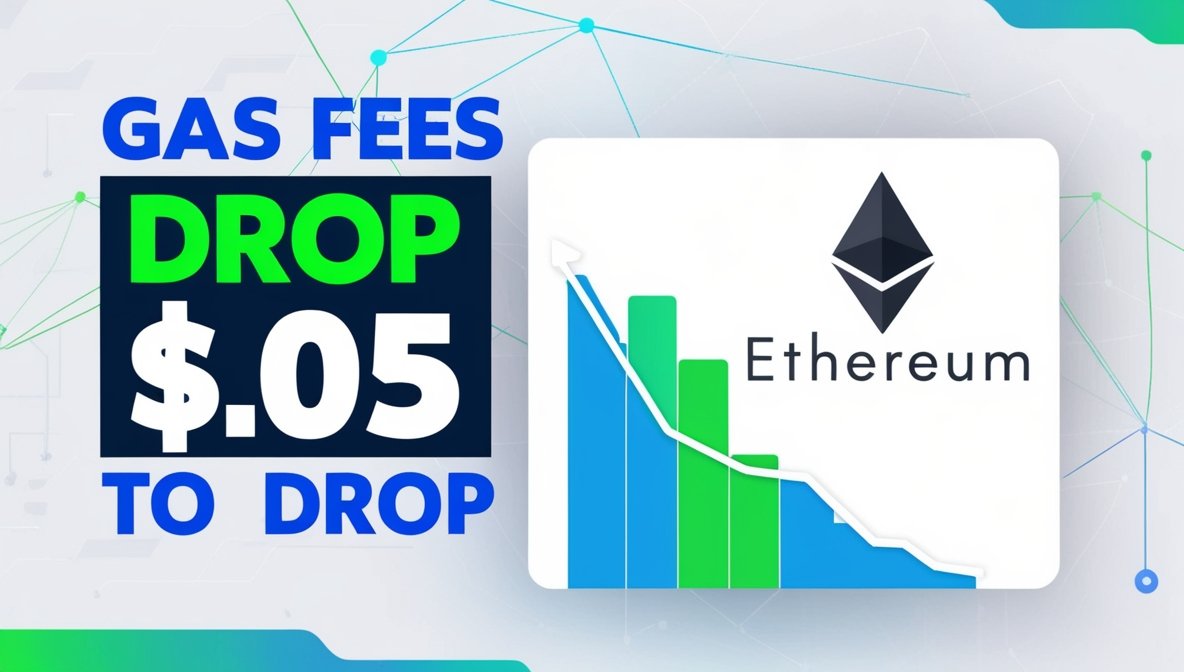
Ethereum Gas Fees Plunge to $0.05, Lowest in 5 Years

Ethereum gas fees have reached a 5-year low of $0.05 due to the higher gas limit that increases efficiency and affordability for users.


Ethereum just scored big, with gas fees dropping to the lowest in 5 years and standing at only $0.05 per transaction! That’s a big difference from those crazy highs above $100 sometime in the past. Currently, the low-priority transactions are going for $0.05, while the average and high-priority ones go for slightly higher at $0.06.

This is a big deal for Ethereum, which has seen gas fees skyrocket in the past due to heavy network activity, DeFi mania, and the NFT boom. Back in the pandemic era, the gas fee hit a crazy $196 per transaction at 709.7 gwei.

So, what’s behind this sweet drop? Ethereum recently raised its gas limit to 36 million units, allowing more transactions per block and cutting down on network congestion. This change makes Ethereum more affordable and scalable, which is a win for both users and developers.

In particular, with a drop in fees, Ethereum will automatically become much more appealing for regular users. This means wider usage for Ethereum will be about dApps, DeFi, and NFTs. This is just what Ethereum needed amid the growing competition. The drop is all about making Ethereum more efficient, more approachable, and-most importantly-cheaper.

Also Read: Crypto Hesitation: Only 30% of Institutional Traders Eye Investments

Investor Loses $1.5M in CAR Tokens After FOMO-Driven Bet

Trader aped $1.9M into $CAR, held 99.94% supply, but price tanked 77% after deepfake rumors. Now stuck with huge losses.


A trader decided to go all-in on $CAR, buying 3.6M tokens for $1.9M at roughly $457K per million, hoping to hit the jackpot. Just 10 hours later, though, the dream turned into a nightmare when the price of $CAR bottomed out, shredding the value of their investment by 77%. Their stocks are now worth just $441K, and there’s no way out.

$CAR launched on Feb 9, hyped as the official memecoin of the Central African Republic (CAR). It blew up fast, even hitting a $527M market cap. But things took a wild turn when a promo video featuring CAR’s president, Faustin-Archange Touadéra, got flagged as a potential deepfake by AI detection tools. That raised major red flags, and panic spread like wildfire.

The $CAR was an “experiment” for national development, Touadéra’s official X account said, but investors weren’t buying it. When doubts about the authenticity of the video blew out, the token’s price went into free fall.

On-chain data shows the trader never sold a single token, leaving his $1.9M investment locked in a brutal loss. That’s a tough lesson on the wild risks of memecoins-hype fades fast, and when it does, the crash hits even harder.

Also Read: MicroStrategy Acquires 7,633 More BTC, Boosting Total Holdings to 478,740

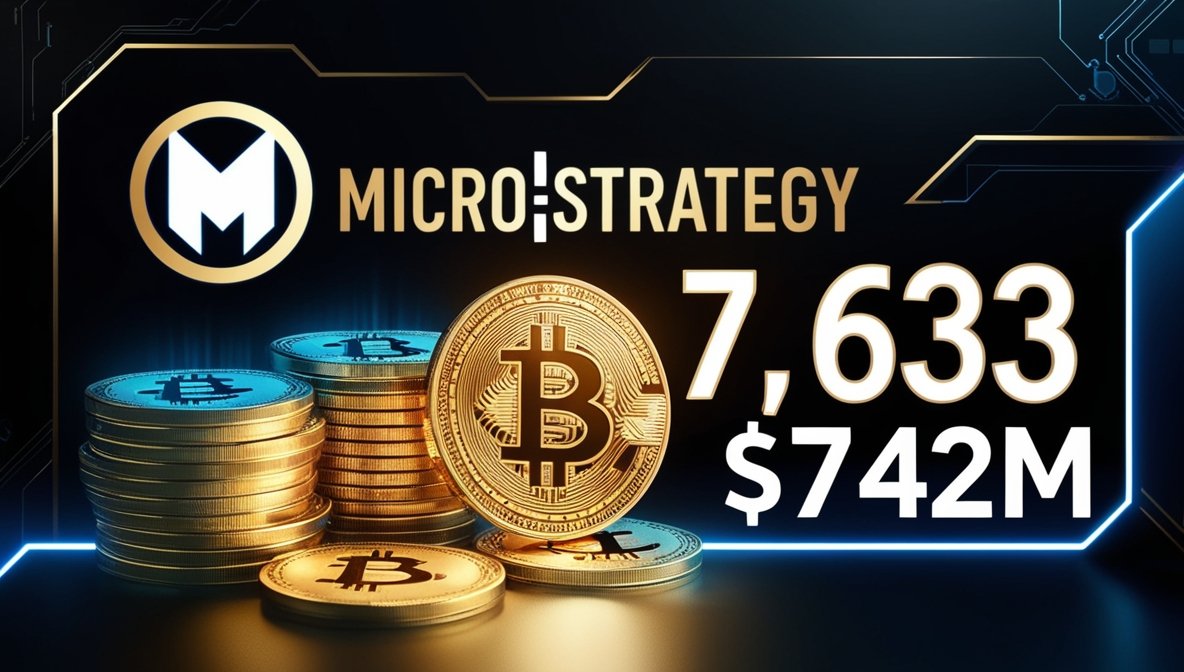
MicroStrategy Acquires 7,633 More BTC, Boosting Total Holdings to 478,740

MicroStrategy snagged 7,633 more BTC for $742.4M, now holding 478,740 BTC. Saylor paused buys but keeps stacking hard.


MicroStrategy, the ultimate Bitcoin whale, just scooped up another 7,633 BTC between Feb 3-9, 2025. The company spent a cool $742.4 million, dropping an average of $97,255 per coin. With this latest haul, their total stash now sits at a jaw-dropping 478,740 BTC, acquired for $31.1 billion at an average of $65,033 per BTC.

This move follows their late January buy of 10,107 BTC for $1.1 billion. In just over a month, their Bitcoin holdings have already pulled in a 4.1% yield—proof that they’re playing the long game with BTC as their treasury asset.

Interestingly, despite this fresh purchase, MicroStrategy Chairman Michael Saylor announced on Feb 4 that they were hitting pause on BTC buys for now. He clarified that the company hasn’t sold any shares or tapped its equity offering program to fund Bitcoin purchases of late.

With laser-eyed conviction, the flex of MicroStrategy as the biggest corporate Bitcoin holder shows absolutely no signs of shifting from the BTC-first strategy. The market is watching to see if MicroStrategy will turn the tap full again soon-or is this just a quick breather?

Also Read:Crypto Hesitation: Only 30% of Institutional Traders Eye Investments

Exit mobile version