
Hal Finney’s $10M Bitcoin Dream: Just a Thought Experiment or Financial Prophecy?

Back in 2009, when Bitcoin was barely a newborn, early crypto legend Hal Finney made a wild prediction: Bitcoin could hit $10 million per coin. Yeah, you read that right.
bitcoin

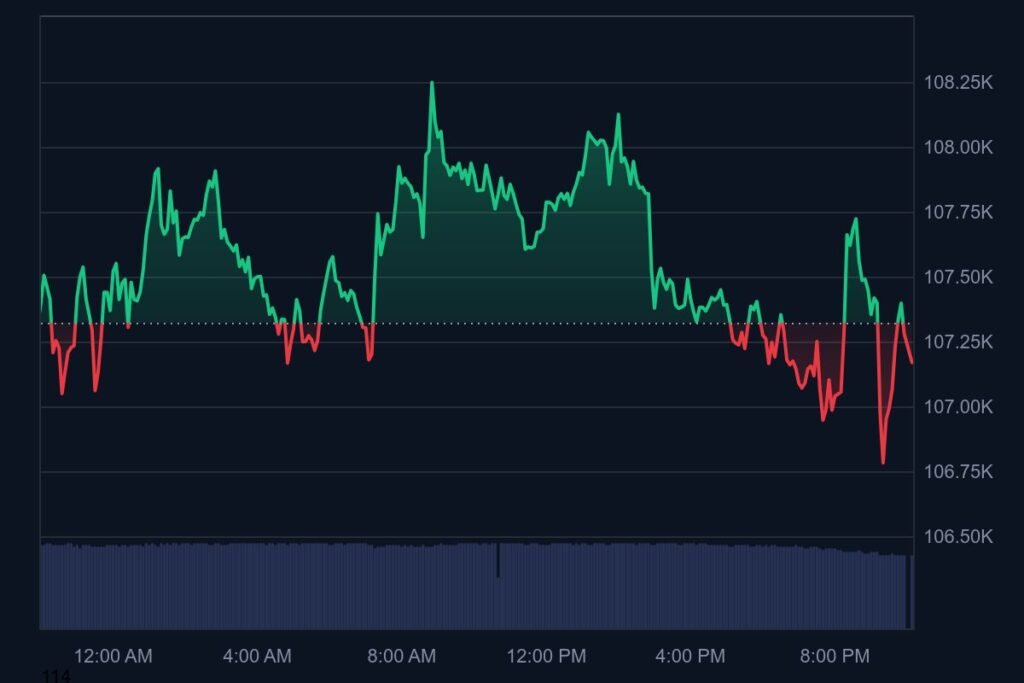
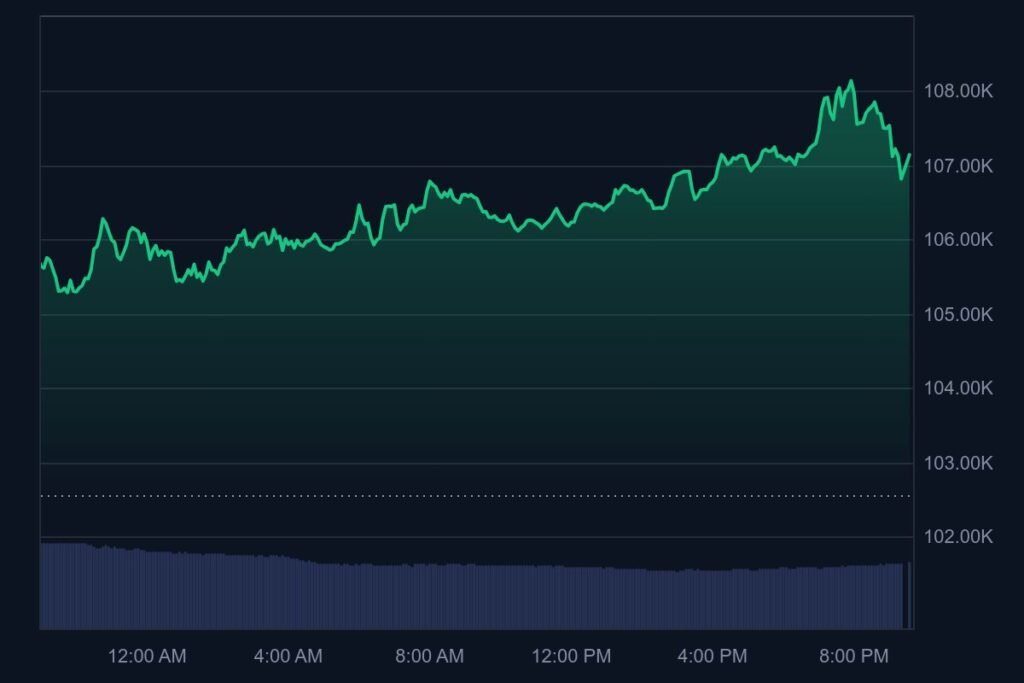
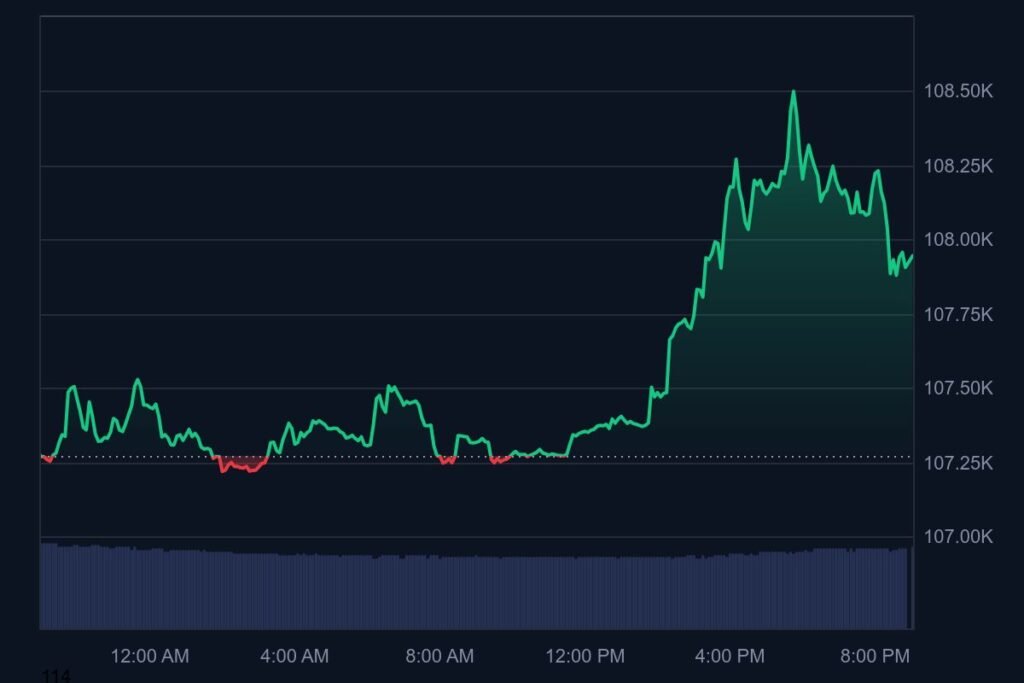
Fast forward to June 2025—Bitcoin’s cruising around $108K, and Finney’s hot take is making waves again after being reposted by @BitcoinNews21M on X. But this wasn’t some moonboy pump—it was a serious thought experiment. Finney imagined a future where it replaces all fiat money, becoming the world’s go-to currency.

Here’s the math: the 2024 Credit Suisse Global Wealth Report says the world’s total household wealth is around $305 trillion. Divide that by its fixed 21M supply = roughly $14.5M per BTC. Suddenly, $10M doesn’t sound that crazy.

Finney was no rando—he worked with Satoshi, received the first-ever BTC transaction, and helped pioneer the reusable PoW system. He also saw fiat money losing power ever since it got unpegged from gold in the 1970s. The Bank for International Settlements even said most major currencies lost 90%+ of their value since then.

Sure, haters say this kind of mass adoption is a dream. But zoom out: in just 15 years, Bitcoin went from a few cents to over $100K. With institutional money rolling in and inflation eating away traditional money, the tides could turn.

Will we see $10M BTC soon? Probably not tomorrow. But Hal’s vision? It still hits different.

You might also like: Kraken Launches Krak: New Global P2P App to Rival PayPal and Cash App

Kraken Launches Krak: New Global P2P App to Rival PayPal and Cash App
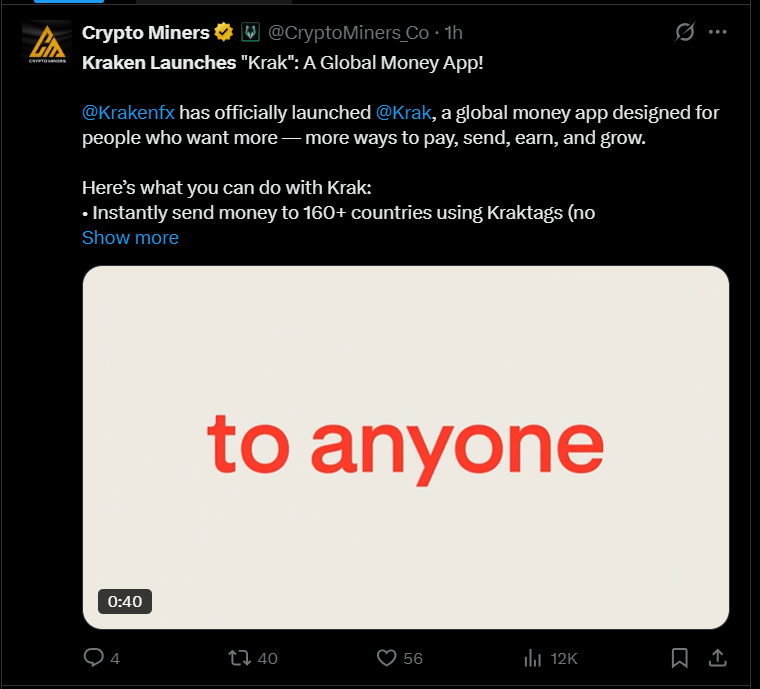
Crypto exchange Kraken is entering the global finance space in a big way with the launch of Krak, a sleek new peer-to-peer payments app aimed at tackling outdated financial systems and rivaling platforms like PayPal and Cash App.

kraken

Unveiled on Thursday, Krak is available in over 160 countries and supports more than 300 assets—ranging from fiat and stablecoins to major cryptocurrencies. It allows users to send and receive value instantly, with near-zero fees and no need for bank accounts or long crypto wallet addresses.

Krak vs. Traditional Payments: A Crypto-Powered Upgrade

While Kraken is best known for its crypto exchange, Krak represents a major strategic pivot toward consumer-focused financial services. Built specifically for payments—not trading—Krak enables seamless, low-cost global transfers using a user-friendly ID system called Kraktags.

This eliminates the complexity of traditional blockchain transactions and opens the door for anyone to send money worldwide—whether in USD, EUR, stablecoins, or crypto—with just a few taps.

Kraken’s Krak directly challenges legacy apps like Venmo, Zelle, and PayPal, but with a wider range of supported assets and significantly lower transfer costs.

Earn While You Send

One of Krak’s standout features is its built-in earning system. Users can earn:

  • 4.1% APR on stablecoins like USDG
  • Up to 10% APY through crypto staking

These features go beyond typical payment apps and rival dedicated earning platforms, giving Krak users more value for holding and sending funds.

More Than Just Transfers

Kraken confirmed that Krak is just the beginning. Upcoming features include:

  • Collateralized loans (pay-in-advance services)
  • Physical & virtual Krak cards
  • Advanced yield tools using stablecoins and tokenized reserves

The company’s vision is to combine the speed and transparency of blockchain with the simplicity of modern fintech—creating a system that’s global, digital, and always on.

In a statement, Kraken said:

“We built Krak because the financial system is stuck in the past. Global money movement should be instant, low-cost, and easy.”

As stablecoins and Web3 payments grow more mainstream, Kraken’s Krak app could be the one to bridge the gap between crypto-native tools and real-world financial utility.

You might also like: Ethereum Price Today: 4 Key Triggers That Could Send ETH Soaring or Sliding

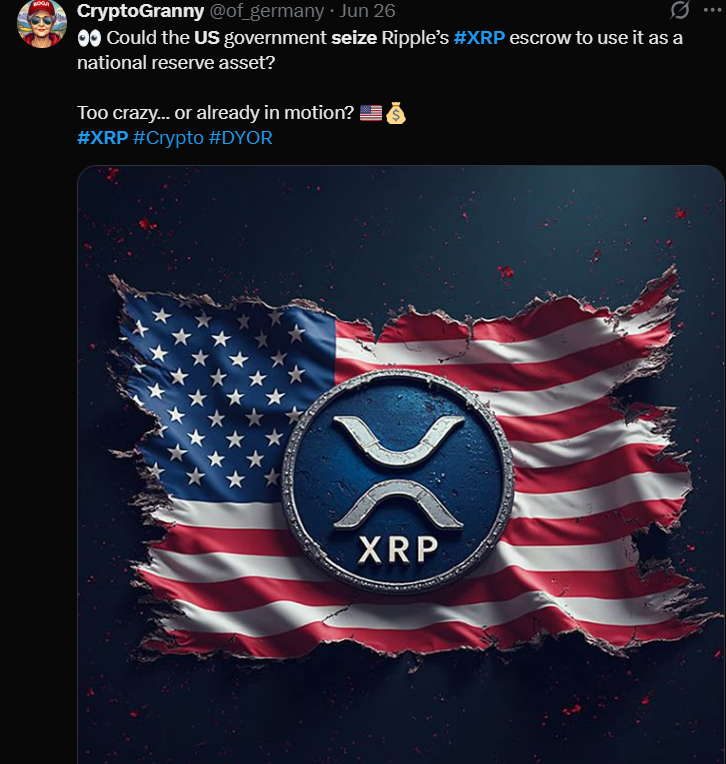
Is the U.S. Planning to Seize Ripple’s XRP Escrow for a National Crypto Reserve?

Is the U.S. Government Targeting Ripple’s XRP Escrow for a National Crypto Reserve?

Social media is buzzing with a bold claim: the U.S. government might be eyeing Ripple’s XRP escrow for its future financial reserves. The rumor surfaced shortly after Ripple unlocked 1 billion XRP from escrow in June 2025, worth over $2.2 billion at current market prices.

Ripple

Crypto influencers John Squire and Pumpius fanned the flames on X (formerly Twitter), with speculative posts suggesting that XRP could be added to a national crypto reserve.

The Facts Behind the Unlock

Ripple routinely releases 1 billion XRP monthly from its escrow system in a pre-programmed way to maintain liquidity and market stability. This time, the XRP was distributed in three tranches—500M, 300M, and 200M, raising eyebrows due to the massive dollar value involved.

The escrow system, designed by Ripple, holds a significant portion of XRP’s supply and automatically returns unused tokens back to escrow. This design prevents market flooding and builds trust in the token’s controlled supply.

Because of its scale and use in cross-border transactions, some speculate the U.S. might consider XRP a strategic digital asset in a future tokenized reserve model. However, legal experts aren’t buying it.

Legal Experts Debunk the Hype

Renowned attorney Bill Morgan swiftly dismissed the rumor, tweeting, “No, it won’t,” in response to the claim that the U.S. could seize Ripple’s escrowed XRP. No official comment from it or U.S. authorities has been made to support the speculation.

FedNow & Ripple: Mixed Signals?

Adding to the confusion, online chatter claims that XRP is being used in the Federal Reserve’s FedNow payment system. While it’s true that Volante Technologies, a RippleNet partner, is involved in the FedNow pilot, there’s no confirmation that XRP tokens themselves are being used.

Volante’s use of its blockchain technology does not equate to XRP integration. As of now, there is no official statement from the Fed or Ripple validating XRP’s involvement in FedNow.

Trump’s Crypto Reserve Comments Spark Buzz

Earlier in 2025, Donald Trump floated the idea of building a U.S. crypto reserve including altcoins like XRP, Solana (SOL), and Cardano (ADA). However, only a Bitcoin-centric reserve has been established so far.

Meanwhile, with Ripple’s ongoing legal battle against the SEC nearing resolution, XRP is gaining traction and regulatory clarity. This has fueled optimism and further speculation about its potential role in national finance.

Bottom Line

As it stands, the idea of the U.S. government seizing Ripple’s XRP escrow is unfounded speculation. There are no legal mechanisms, official filings, or credible sources backing the claim. Until proven otherwise, this remains just another crypto rumor—one of many in the XRP community.

You might also like: BlackRock XRP ETF Rumors Swirl: Truth or Just Another Crypto Mirage?

BlackRock XRP ETF Rumors Swirl: Truth or Just Another Crypto Mirage?

Is BlackRock Filing for an XRP ETF? Here’s What We Know

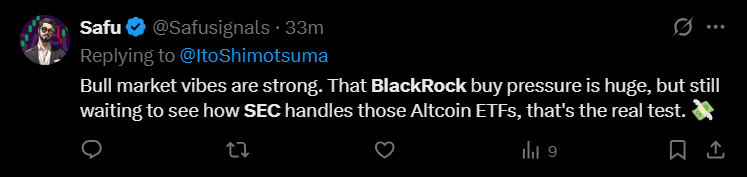
Speculation is brewing again in the crypto community as social media posts hint at BlackRock potentially pushing the SEC to approve a spot XRP ETF before July. But despite the online buzz, there’s still no official confirmation, leaving many to question whether this is fact or fiction.

Blackrock

The rumor was sparked by crypto influencer Steph on X (formerly Twitter), following reports that BlackRock had engaged in discussions with the SEC’s crypto task force back in May. These talks reportedly revolved around ETF standards and the broader crypto ETF landscape—but there was no direct mention of XRP.

A letter from the meeting confirmed its interest in exploring new ETF models, but again, XRP was absent from the conversation. So far, it has only launched ETFs tied to Bitcoin (BTC) and Ethereum (ETH), both of which gained SEC approval in early 2024 and have performed strongly.

In fact, Jay Jacobs, BlackRock’s head of ETFs, previously made it clear that the firm was focusing on BTC and ETH due to their liquidity and regulatory maturity. Meanwhile, XRP remains legally entangled, with Ripple still in an ongoing lawsuit with the SEC over alleged unregistered securities offerings.

Despite this, ETF analyst Nate Geraci of The ETF Store remains optimistic. He believes that it’s “only a matter of time” before BlackRock enters the altcoin ETF space, saying it would make “zero sense” for the asset management giant to miss out. He also highlighted the growing presence of CME-traded XRP futures, a possible stepping stone toward a spot XRP ETF.

Still, the community remains cautious. Just last year, a fake XRP Trust filing caused widespread confusion, forcing BlackRock to publicly deny any involvement with Ripple or XRP.

As it stands, there’s no formal SEC filing, no announcement from BlackRock, and no confirmed ETF in development. Until something concrete is published, the idea of a BlackRock XRP ETF remains purely speculative.

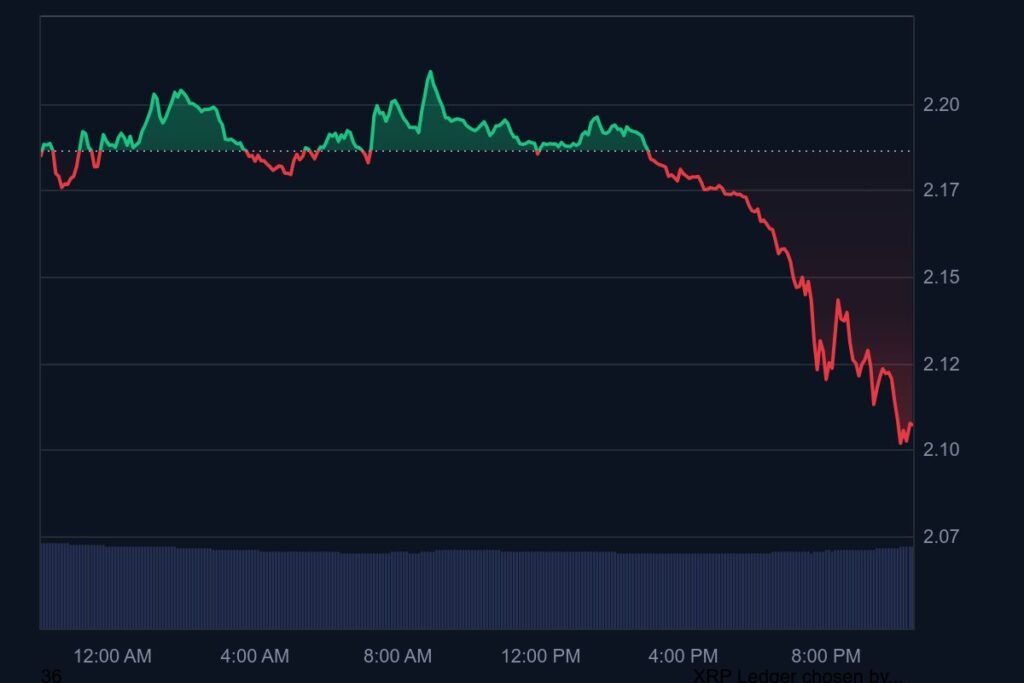
But if it does happen? Analysts suggest XRP could surge to $10, a massive 365.6% increase from its current price of $2.17. That kind of potential has the community watching closely.

You might also like: Bitcoin Price Today: 4 Crucial Signals Pointing Toward a Rally or Drop

Rumors Claim Elon Musk to Invest $104B in XRP — Here’s What We Know

Is Elon Musk Really Investing $104 Billion Into XRP? Here’s the Reality Behind the Rumor

The crypto community is buzzing again as X (formerly Twitter) user CryptoGeek posts a sensational claim: Tesla CEO Elon Musk is allegedly preparing to invest $104 billion into Ripple’s XRP. The post includes a screenshot of a headline reading:
“Elon Musk Joins Ripple Partnership, Injects $104B into XRP.”

xrp

🧐 What’s Being Claimed?

According to the rumor:

  • Musk sees its efficiency and regulatory clarity as major advantages.
  • A potential partnership with Ripple could help navigate crypto regulatory challenges.
  • Musk may want to integrate it into “X: The Everything App” as a payments layer.

This builds on a previous claim from the same user, where Musk was allegedly preparing to spend $50 billion on the token at an eye-popping valuation of $600+ per coin — a post that went viral among the #XRPArmy.

📉 What’s the Truth?

Despite the hype:

  • There is no official confirmation from Elon Musk, Ripple, Tesla, or X Corp.
  • No mainstream financial outlet or regulatory filing supports this story.
  • The original poster, CryptoGeek, is not a verified news source, and the headline may be fabricated.

🧠 Why It Matters

XRP is a top player in the blockchain payments space and has benefited from positive momentum after recent SEC legal clarity. However, tying its future to Elon Musk—without credible backing—is risky and speculative.

⚠️ Investor Advisory

As always in crypto, verify before you amplify. The Musk story is likely just a rumor, and investors should stay informed through reliable sources.

You might also like: Breaking ! XRP Today: 4 Smart Updates Powering On-Chain Innovation

BTC& ETH Face $17B Options Expiry and Hot PCE Data – Is a Crash Coming?

Bitcoin & Ethereum on Edge: $17 Billion Options Expiry and U.S. Inflation Data Could Trigger Market Shake-up

BTC and Ethereum are gaining upside momentum as bulls continue to hold key support levels. However, this bullish streak may be tested on June 27, when over $17 billion in BTC and ETH options expire, and the U.S. PCE inflation data—a key economic indicator—gets released.

btc

💰 Bitcoin Options: Max Pain at $102K

  • 139,000 BTC options worth $15B are set to expire.
  • Put/Call Ratio sits at 0.74, signaling a slightly bearish sentiment.
  • Max pain point at $102,000 suggests a possible correction in BTC price.
  • Open interest data points to cautious positioning by traders.

Ethereum Options: Sentiment Weakening

  • 936,000 ETH options worth $2.3B will also expire.
  • Current Put/Call Ratio is 0.52, but 24hr ratio rose to 0.95, suggesting growing bearishness.
  • Max pain sits at $2,200.

🧨 Macro Risk: PCE Inflation Data Incoming

  • June PCE inflation is expected to rise to 2.3% from 2.1%, signaling persistent inflation.
  • Fed Chair Jerome Powell’s hawkish tone and resistance to rate cuts may spook the markets further.

🔍 On-chain and Price Action

  • CryptoQuant’s MVRV Ratio indicates a late-stage bull market.
  • BTC trades at $107,199, down from the 24hr high of $108,305, with volume down 7%.
  • ETH trades at $2,436, off highs of $2,519, though volume rose 13%, signaling renewed trader interest.

With both options expiry and macroeconomic data converging, traders should prepare for heightened volatility and potential retracement. Monitor volumes and liquidation levels closely.

You might also like: Resupply DeFi Protocol Hacked: $9.6M Stolen in Price Manipulation Attack

Resupply DeFi Protocol Hacked: $9.6M Stolen in Price Manipulation Attack

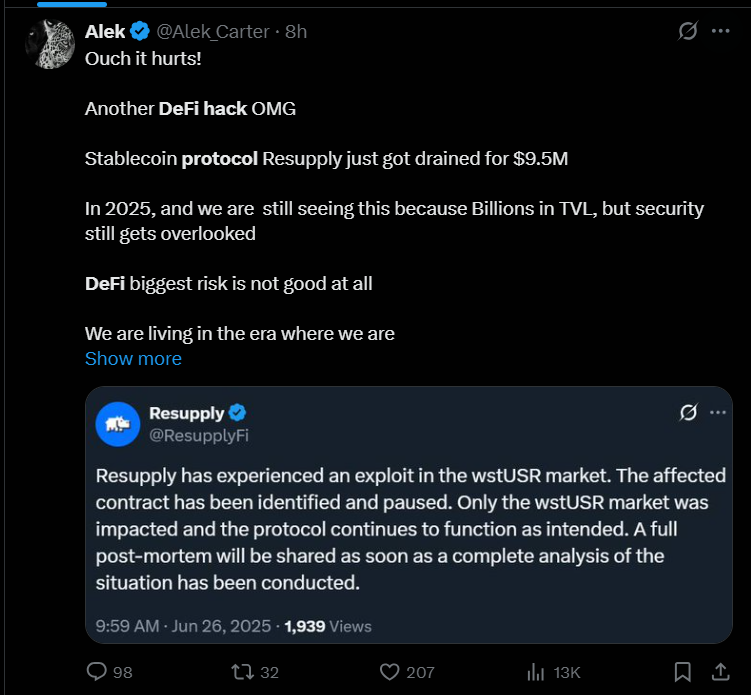
In the latest blow to the decentralized finance (DeFi) world, Resupply, a stablecoin-focused protocol, confirmed it was exploited for $9.6 million. The hack targeted its wstUSR market by manipulating the price of cvcrvUSD, leading to a glitch in the ResupplyPair smart contract.

DEFI

With just a tiny investment, the attacker managed to borrow a massive amount of reUSD, turning the exploit into a high-reward, low-risk jackpot. The stolen funds were quickly swapped into ETH (~$2M), USDC (~$3.6M), and more. To cover their tracks, the hacker split the funds across two wallets. Classic move.

👉 Only the wstUSR market was affected, and thankfully, the contract has now been paused. Resupply is digging deep into what went wrong and has promised a full post-mortem soon.

This hack is yet another wake-up call for DeFi builders and users. Any reliance on external price oracles or unchecked smart contracts can become the Achilles’ heel. And for investors? Well, this is a reminder: DeFi is powerful, but it’s still the wild west.

Stay safe, anon. 🛡️

You might also like: Memecoin Market Soars Past $53B as DOGE, SHIB, PEPE Lead Rally — WIF, BONK, FLOKI Eye Breakouts

Memecoin Market Soars Past $53B as DOGE, SHIB, PEPE Lead Rally — WIF, BONK, FLOKI Eye Breakouts

The memecoin market just lit up.

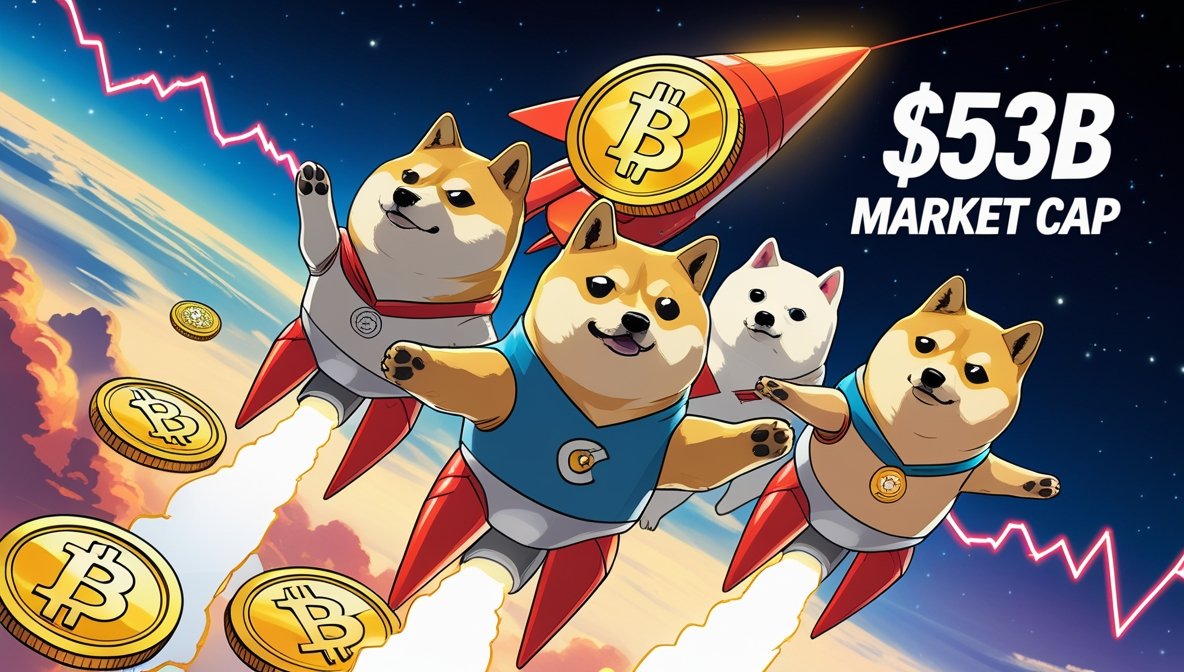
After a sharp 8.28% rise, the sector’s valuation has ballooned to $53.58 billion — still only 1.65% of the entire $3.28 trillion crypto market, but a clear signal that meme tokens are back on investors’ radars.

memecoin

With daily trading volume spiking over 20% to $8.51B, it’s clear whales and retail traders are diving into the action. And the top 3 meme tokens are holding strong:

  • DOGE reclaimed $0.16, up 6.23%
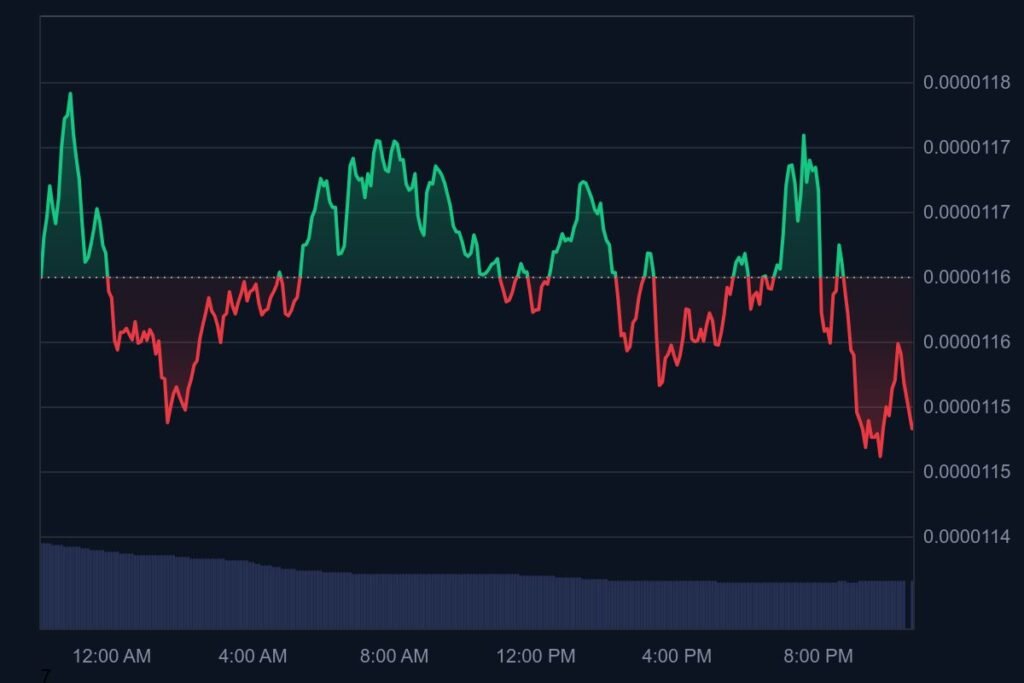
  • SHIB trades at $0.00001167 with a $6.83B cap
  • PEPE posted double-digit gains, showing strong momentum

But the real buzz? The next-wave meme coins riding this volatility with serious upside potential.


📈 Top Meme Coins to Watch Right Now

🧢 Dogwifhat ($WIF)

  • +14% intraday, now at $0.850
  • Trading volume up 63% to $565M
  • MACD showing bullish crossover, with $1.275 and $1.80 as possible resistance targets
  • If it holds $0.790, WIF could be in for a major run; otherwise, watch for pullbacks to $0.50 or $0.30

🐾 Bonk ($BONK)

  • Reclaims $0.0000140, up 8.65%
  • Ranked #64 with $1.12B market cap
  • RSI rebounding from oversold; sitting at 42.64
  • If sentiment holds, BONK could target $0.0000163 or $0.0000229 — but downside risk remains near $0.0000094

⚔️ Floki ($FLOKI)

  • Trades at $0.0000730, market cap over $700M
  • Bear Bull Power indicator hints at bullish reversal
  • Break above $0.0000820 could trigger a rally toward $0.0001140
  • Key downside levels: $0.00004725

🔥 Other Meme Tokens Making Noise

  • Fartcoin has reclaimed the $1 mark, drawing meme fanatics’ attention
  • SPX6900 just hit $1.30, with a 30-day return of +55%

🧠 Final Take:

With hype returning and major meme tokens recovering from deep discounts, the altcoin season might just kick off with memes leading the charge. Still, this is one of the most volatile categories in crypto, often driven more by influencers and community memes than by fundamentals.

DYOR before diving in. Memecoins moon hard — but crash just as fast.

You might also like: Solana Today: Kazakhstan Deal Unleashes Web3 Growth in Central Asia

Texas Becomes First U.S. State to Fund a Bitcoin Reserve With $10M Allocation

Texas is no longer just talking about crypto (bitcoin)—it’s putting actual money into it.

Bitcoin

Over the weekend, Governor Greg Abbott signed Senate Bill 21 (SB 21) into law, officially making Texas the first U.S. state to create and fund a Bitcoin reserve. The law sets aside $10 million of state funds to purchase Bitcoin—just 0.0004% of Texas’s massive budget, but enough to send a loud and clear message: Texas is all in on Bitcoin.

This makes Texas the first to move beyond theory. While states like Arizona and New Hampshire have approved the idea of a Bitcoin reserve, Texas is the first to actually commit real money.

The reserve will be managed independently from the state’s treasury, signaling a deliberate effort to explore it as a strategic reserve asset—similar to how some corporations and nations have begun to approach digital currencies.

Lee Bratcher, president of the Texas Blockchain Council, emphasized that while the amount may be small, the symbolism is massive. “This acquisition marks Texas’s leadership in financial innovation and a digital future.”

The bill passed with strong bipartisan support in the Texas House (105-23) and was introduced by Senator Charles Schwertner and backed by Representative Giovanni Capriglione, who called the move “a forward-thinking measure” that treats digital assets like legitimate tools—not just trends.

In essence, Texas is making a big bet that Bitcoin is here to stay, and it’s taking the first step that could pave the way for broader government adoption of digital assets across the U.S.

You might also like : ConsenSys Wallets Scoop Up $422M in ETH — Is Ethereum Set for a $3,000 Rally?

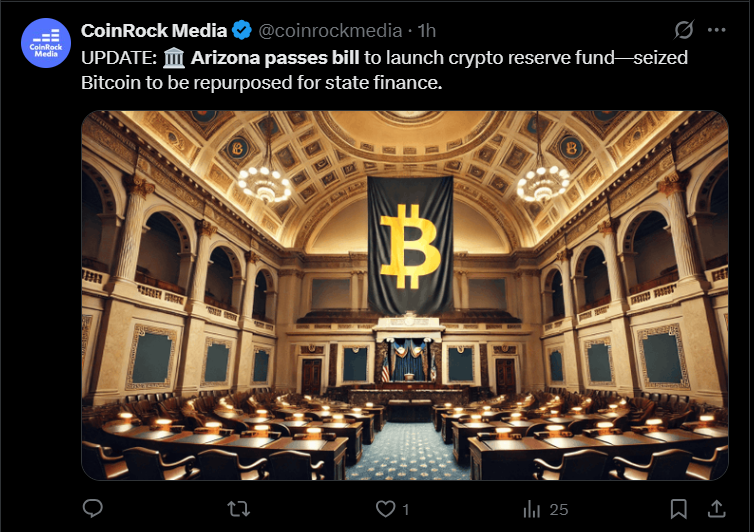
Arizona Passes Bill to Create Bitcoin Reserve from Seized Crypto Assets -Here’s What HB2324 Means

Arizona is inching closer to becoming one of the first U.S. states to officially manage seized crypto assets, thanks to a newly passed bill called HB2324.

arizona

Approved by both chambers of the Arizona legislature, the bill is now on the desk of Governor Katie Hobbs, who must decide whether to sign it into law. If she does, the state will be allowed to store, manage, and possibly sell Bitcoin and other digital assets taken from criminals during investigations.

The bill gives Arizona the green light to:

  • Use blockchain tech for secure asset handling,
  • Work with trusted third parties for custody,
  • Decide whether to store seized crypto in digital wallets or sell them through licensed exchanges, depending on market conditions.

This isn’t Arizona’s first crypto law. In fact, Governor Hobbs already signed HB2749, which created a small Bitcoin fund from unclaimed digital property. However, she previously vetoed two bills (SB1373 and SB1025) that would’ve let Arizona directly invest in crypto, calling it too risky due to price volatility.

That’s what makes HB2324 different—it’s not about crypto investment, it’s about managing seized crypto safely and legally, something law enforcement agencies are increasingly dealing with as digital currencies become part of more criminal cases.

If the bill is signed, Arizona will join the ranks of states like Texas and New Hampshire, which already have systems in place to handle seized crypto assets. The bill could even serve as a blueprint for other states looking to modernize their digital asset policies.

Bottom line: this law could make Arizona a pioneer in secure, legal, and tech-forward crypto asset management, all while avoiding the risks of state-level crypto speculation.

You might also like: SharpLink Gaming Buys 188,478 ETH, Raises $27M to Double Down on Ethereum Strategy

Exit mobile version